There is a particular joy in walking through your front door after a long day and being greeted by the smell of dinner already waiting for you. No frantic chopping at 6 p.m., no hovering over a hot stove — just lift the lid and serve. That is the everyday magic of the slow cooker, one of the most forgiving appliances ever made. If you have ever wondered how to use a slow cooker without dry meat, mushy vegetables, or food-safety worries, this guide covers the settings, the layering, the liquid rules, and the habits behind delicious results.
Maybe you just unboxed your first slow cooker, or yours has sat in a cabinet for years. Either way, you’ll learn how this pot works, when to choose low versus high, and the food-safety essentials.
Key Takeaways
A slow cooker cooks food low and slow, generally between 170°F and 280°F. Use low for all-day cooking (7–8 hours), high when time is short (3–4 hours), and warm only to hold finished food. Layer dense vegetables under the meat, use less liquid than stovetop recipes call for, and keep the lid closed. Always thaw meat first, and refrigerate leftovers within two hours. Bookmark this guide to how to use a slow cooker for quick reference.
What Is a Slow Cooker and How Does It Work?
A slow cooker is a countertop electric appliance with three parts: an outer housing with the heating element, a removable ceramic crock that holds the food, and a tight-fitting lid. You may know it by the brand name Crock-Pot, which became a generic term for the whole category.
Inside, the heating element warms the crock gently from the sides and bottom, bringing food to a long, lazy simmer. Because the lid seals tightly, trapped steam bastes the food continuously. Over several hours, that patient heat melts the rigid collagen in tough, inexpensive cuts into silky gelatin — turning a humble chuck roast spoon-tender while every flavor melds together. Grasping this gentle process is the real foundation of learning how to use a slow cooker well.
Slow Cooker Settings Explained: Low vs. High vs. Warm
Almost every slow cooker offers the same three settings. Temperatures vary slightly by brand, but the general picture looks like this. Understanding these settings is fundamental to how to use a slow cooker well.
The Low Setting
Low brings food to a gentle simmer — roughly 190–200°F — and holds it there. Most recipes need 7 to 8 hours on low: load the cooker before work, come home to dinner. It is the best choice for less-tender cuts, which need long hours for collagen to relax.
The High Setting
High runs hotter and finishes the same dish in about half the time — typically 3 to 4 hours. Reach for it when you start dinner at lunch, but watch delicate ingredients. When even 3 hours is too long, learn how to use a pressure cooker for the same meal in under an hour.
The Warm Setting
Warm holds food around 145–165°F — safely above the 140°F threshold where bacteria multiply rapidly — making it ideal for keeping a finished meal at serving temperature. It is not a cooking setting. Never cook raw ingredients on warm; food would linger far too long in the bacterial danger zone.
One useful USDA trick for anyone learning how to use a slow cooker: if you are home for the first hour, start on high, then switch to low. It moves food through the initial temperature climb faster. Cooking on low the entire time is equally safe — that is what the setting is designed for.
How to Use a Slow Cooker: A Step-by-Step Guide
Every great slow cooker meal follows the same four steps. Master this simple routine for how to use a slow cooker, and you will repeat it forever.
Step 1: Prep Your Ingredients
Start with fully thawed meat and poultry — never put frozen meat in a slow cooker (more on why below). Cut everything into uniform, bite-size pieces so it cooks evenly, and trim excess fat, which will not render away the way it does in a hot skillet. Season boldly: long cooking mellows flavors, so be generous with salt, spices, and aromatics. Browning the meat first adds depth, but as you learn how to use a slow cooker you will find it is optional, not mandatory.
Step 2: Layer in the Right Order
Because heat rises gently from the bottom and sides, placement matters. Put dense root vegetables — potatoes, carrots, turnips — on the bottom where it is hottest, with meat in the middle or on top. Save delicate ingredients like fresh herbs and dairy for the end. Fill the crock one-half to three-quarters full.
Step 3: Add Less Liquid Than You Think
This is where most beginners go wrong. On the stovetop, liquid evaporates; in a slow cooker, the sealed lid traps nearly all of it. Cut the liquid by one-third to one-half — one to two cups is plenty for most 5- to 6-quart recipes.
Step 4: Lid On, Hands Off
Set the temperature, place the lid, and walk away. Every lift lets heat and steam escape, adding 15 to 30 minutes to the cooking time. Resist the urge to stir “just to check” — the appliance is designed to be left alone.
What Cooks Best in a Slow Cooker (and What to Avoid)
Slow cookers reward patience and punish delicacy. The all-stars are tough, collagen-rich cuts — beef chuck, pork shoulder, brisket, short ribs, chicken thighs — which emerge spoon-tender after their long braise. Dried beans and lentils are superb (boil red kidney beans 10 minutes first to neutralize their natural lectins), as are root vegetables, hearty soups, and chilis. These forgiving ingredients are ideal when you are still learning how to use a slow cooker.
On the avoid list: delicate fish and seafood, which turn to mush; dairy like cream and cheese, which can curdle (stir in at the end); fresh herbs, which lose their perfume (same treatment); and pasta or rice, which bloat into porridge (cook separately). Skip pricey lean cuts like tenderloin — without collagen to melt, they dry out.
Slow Cooker Food Safety Essentials
Part of learning how to use a slow cooker safely is respecting a few rules. Slow cookers are safe when used correctly — direct heat, lengthy cooking, and trapped steam destroy bacteria effectively. These essentials are drawn from the USDA’s Food Safety and Inspection Service:
- Always thaw meat and poultry completely before they go in. A frozen roast keeps its center in the bacterial danger zone (40°F–140°F) for too long.
- Keep perishables refrigerated until prep time. The cooker needs hours to reach bacteria-killing temperatures — do not give bacteria a head start.
- Fill the crock one-half to three-quarters full, keep the lid in place, and confirm the cooker is plugged in and switched on.
- Refrigerate leftovers within two hours. Do not reheat food in the slow cooker — warm leftovers on the stove, in the microwave, or in the oven until steaming hot (165°F).
- If the power goes out while you are away, discard the food. If you are home and the dish was fully cooked, it stays safe up to two hours without power.
Slow Cooker Time Conversion Chart
Adapting a favorite oven or stovetop recipe? Use these approximate conversions as a starting point, then confirm doneness with a food thermometer — 165°F for poultry, 145°F for whole cuts of pork and beef (plus a short rest).
| Oven or stovetop time | Slow cooker on Low | Slow cooker on High |
|---|---|---|
| 15–30 minutes | 4–6 hours | 1½–2 hours |
| 35–45 minutes | 6–8 hours | 3–4 hours |
| 1–2 hours | 8–10 hours | 4–6 hours |
| 2–4 hours | 10–12 hours | 5–6 hours |
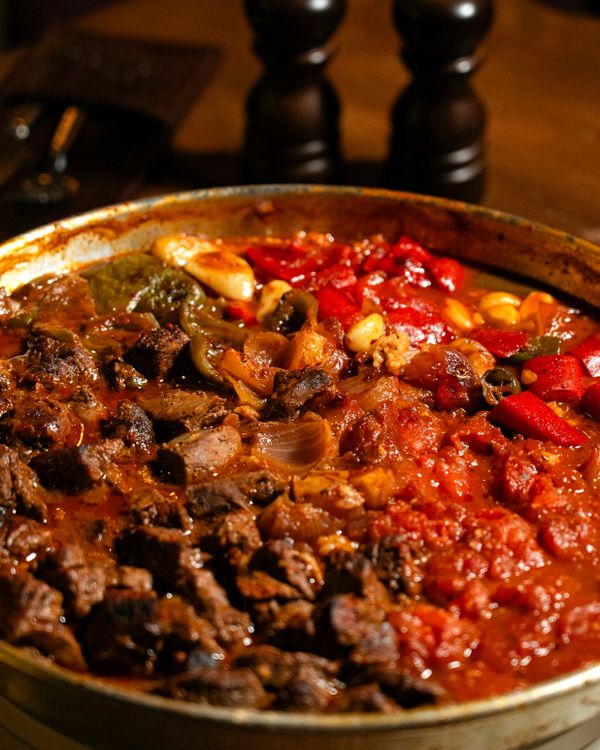
5 Easy Slow Cooker Recipes for Beginners
You do not need a cookbook to start learning how to use a slow cooker. Each of these ideas follows the four steps above and forgives small mistakes.
- Pulled pork. A 3–4 pound pork shoulder, sliced onion, barbecue sauce, salt, and smoked paprika. Eight hours on low, then shred with two forks.
- Chicken tortilla soup. Chicken thighs, black beans, corn, diced tomatoes, chipotle in adobo. Four hours on high; shred and finish with lime, avocado, and tortilla strips — among the best soups for winter.
- Classic beef chili. Browned ground beef, kidney beans, crushed tomatoes, onion, chili powder. Six to eight hours on low.
- Red lentil and vegetable soup. Red lentils melt into a creamy, protein-rich soup with carrots, cumin, and broth. Batch it with these vegan meal prep ideas.
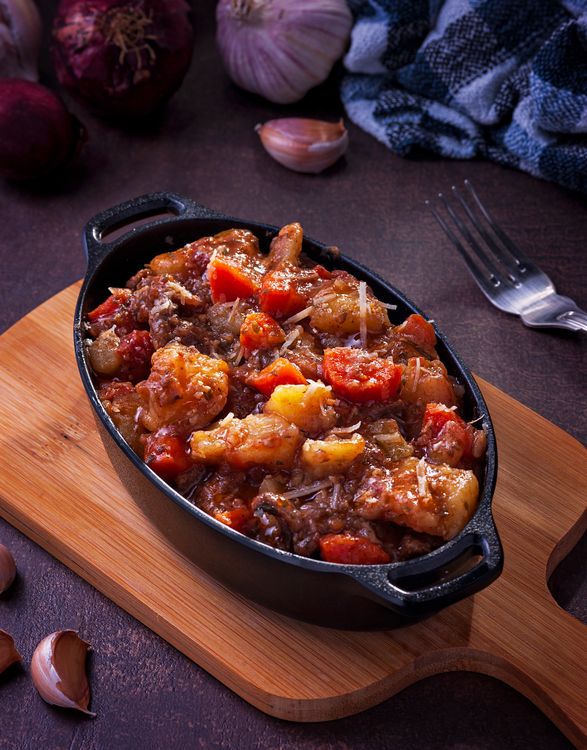
- Pot roast with root vegetables. Chuck roast on potatoes, carrots, and onions with beef broth and thyme. Eight hours on low.
Common Slow Cooker Mistakes to Avoid
Most disappointments for beginners learning how to use a slow cooker trace back to one of these fixable habits:
- Peeking under the lid. Every lift adds 15–30 minutes. Trust the process.
- Using too much liquid. Cut stovetop amounts by one-third to one-half.
- Overfilling or underfilling. Aim for one-half to three-quarters full.
- Adding dairy too early. Stir in cream, cheese, or yogurt at the end.
- Starting with frozen meat. Thaw completely first — always.
- Cooking on the warm setting. Warm holds finished food; it does not cook raw food.
- Under-seasoning. Long cooking dulls flavors, so season with confidence.
- Reheating leftovers in the cooker. Reheat to 165°F by another method first.
How to Clean and Care for Your Slow Cooker
Unplug the cooker and let it cool completely — never plunge a hot crock into cold water. Most removable crocks are dishwasher-safe; otherwise soak with warm, soapy water and baking soda. Never submerge the heating base.
Wash the lid and its gasket, dry everything thoroughly, and store with the lid slightly ajar. Now that you know how to use a slow cooker — from settings to food safety to cleanup — a little routine care will keep yours going for a decade or more.
Frequently Asked Questions
Still have questions about how to use a slow cooker? Here are the answers to what beginners ask most.
Can you put raw meat in a slow cooker?
Yes — that is what slow cookers are designed for. Raw meat cooks safely as long as it is fully thawed first, the crock is one-half to three-quarters full, and the lid stays on.
Is it safe to leave a slow cooker on while you are at work?
Yes, if the cooker is in good working order, sits on a heat-safe surface away from clutter, and the recipe timing fits your absence. Keep the lid on and confirm it is switched on.
What is the difference between the low and high settings?
Both reach a safe simmer; high finishes in about half the time — 3 to 4 hours versus 7 to 8 on low. Low is gentler, ideal for tough cuts and all-day cooking.
Can you put frozen meat in a slow cooker?
No — the USDA advises against it. Frozen meat lingers in the 40°F–140°F danger zone while the cooker heats up. Always thaw completely in the refrigerator first.
How long can food sit in a slow cooker on the warm setting?
Warm holds finished food; it does not store it. Serve within a few hours and refrigerate leftovers within two hours of cooking.
A Quick Note
This article is for general informational purposes only and is not medical advice. Food-safety guidance can change over time, so consult the latest USDA recommendations if you are ever unsure. If you have dietary restrictions, food allergies, or a health condition, check with a qualified healthcare professional. Enjoy your slow cooker creations as part of a varied, balanced diet.
For paleo-friendly slow cooker ideas including pulled pork, see our paleo meal plan.
For fluffy grains in minutes, learn how to cook rice in an Instant Pot.