I’ll be honest: the first time I looked at the paleo diet, I thought it was just a list of things I couldn’t eat. No bread, no pasta, no cheese, no beans — what’s left?
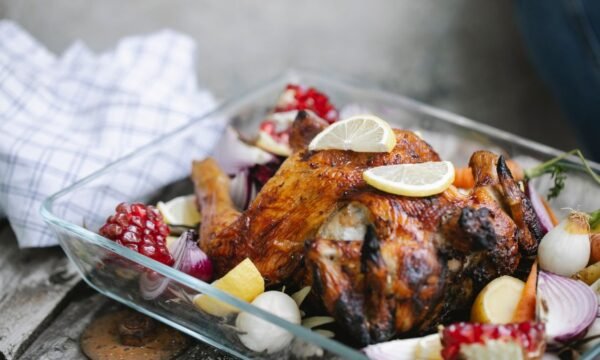
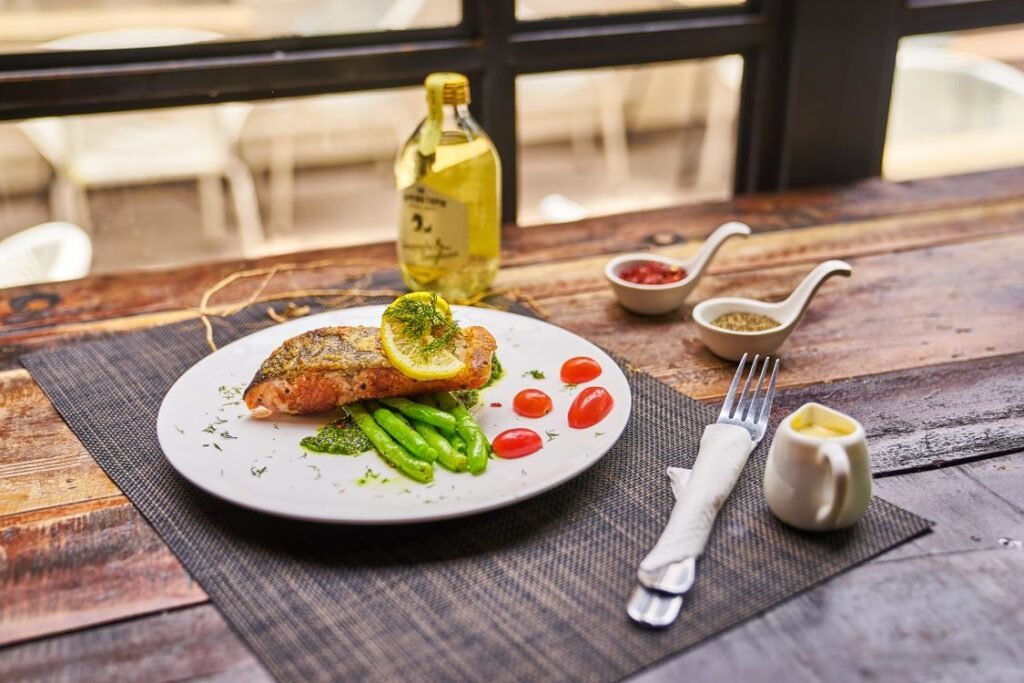
Quite a lot. Once I stopped focusing on what was gone and looked at the plate — roasted chicken with crispy skin, salmon with lemon and asparagus, sweet potato hash with fried eggs — I realized paleo isn’t about restriction. It’s about cooking real food and skipping the stuff that comes in boxes with ingredient lists you can’t pronounce.
The problem with most paleo advice isn’t the food. It’s the lack of a plan. You read the rules, open the fridge on Monday morning, and have no idea what to actually eat. This paleo meal plan fixes that: seven days of breakfasts, lunches, dinners, and snacks, plus a shopping list and beginner tips.
No calorie counting. No weird ingredients. Just a normal week of good food.
What the Paleo Diet Actually Is (In Plain English)
The paleo diet — sometimes called the caveman or Stone Age diet — is built on a simple idea: eat the kinds of foods humans ate before modern farming. That means meat, fish, eggs, vegetables, fruits, nuts, and seeds.
What it doesn’t include: grains, legumes (beans, lentils, peanuts), dairy, refined sugar, and most processed foods. The thinking, as registered dietitian Julia Zumpano explains at the Cleveland Clinic, is that our bodies are made to eat these whole, single-ingredient foods.
Harvard’s nutrition researchers describe it similarly: high in protein, moderate in fat (from fish, avocado, olive oil, nuts, and seeds), low-to-moderate in carbohydrates — with an emphasis on nutrient-dense whole foods over highly processed ones.
One honest note: this isn’t a magic diet. Harvard’s review is clear that strong recommendations for paleo for weight loss can’t be made yet — studies so far are small and short-term. What the evidence does support is simpler: more whole foods and fewer processed ones is good for almost everyone. This plan is built around exactly that.
Why a Meal Plan Makes Paleo Actually Work
Here’s what nobody warns you about: paleo is easy to understand and surprisingly hard to start. Not because the food is complicated — chicken and vegetables is about as simple as cooking gets — but because your usual defaults are gone. No toast in the morning. No sandwich at lunch. No pasta on a tired Tuesday night.
A meal plan removes the daily decision fatigue. When dinner is already decided, you’re not staring into the fridge at 6 PM reaching for the takeout menu. That’s the whole game in week one: make the healthy choice the easy choice.
This plan is designed for real beginners:
- No specialty products. Everything comes from a regular grocery store.
- Leftovers do the heavy lifting. Dinner becomes tomorrow’s lunch more than once.
- Repeat-friendly. Eggs, chicken, and sweet potatoes show up more than once — that’s intentional.
- Flexible portions. Paleo doesn’t emphasize calorie counting, and neither does this plan.
How to Use This 7-Day Plan
The shopping list below covers all seven days — buy it all on Sunday and you’re set. That afternoon, prep the batch items (about an hour): hard-boil the eggs, roast the sweet potatoes, cook the shredded chicken. Future-you will be grateful.
If you like planning weeks this way, our guide to family meal plans covers the bigger system — this paleo week slots right into it.
On coffee: strict paleo says no, but most people keep black coffee — just skip the milk and sugar, or use a splash of coconut milk.
Your 7-Day Paleo Meal Plan
Day 1 — Monday
Breakfast: Veggie scramble — 3 eggs with spinach, mushrooms, and diced bell pepper in olive oil. Done in 10 minutes.
Lunch: Big chopped salad — mixed greens, cherry tomatoes, cucumber, avocado, and grilled chicken breast. Dress with olive oil and lemon juice.
Dinner: Sheet-pan lemon herb chicken thighs with roasted broccoli and carrots. Toss with olive oil, garlic, lemon slices, salt, and rosemary; roast at 425°F (220°C) for 25–30 minutes. Make extra chicken — it’s tomorrow’s lunch.
Snack: A handful of almonds and an apple.
Day 2 — Tuesday
Breakfast: Sweet potato hash — dice a roasted sweet potato (Sunday prep), crisp in a skillet with coconut oil, top with two fried eggs.
Lunch: Leftover lemon herb chicken thighs over a bed of arugula with sliced avocado and a squeeze of lemon.
Dinner: Taco bowls, paleo style — seasoned ground beef (cumin, chili powder, garlic, paprika) over cauliflower rice with diced tomatoes, shredded lettuce, guacamole, and cilantro. No tortilla needed.
Snack: Baby carrots with guacamole.
Day 3 — Wednesday
Breakfast: Banana-egg pancakes — mash 1 banana, whisk with 2 eggs, cook small pancakes in coconut oil. Top with berries. (Keep them small — they’re more delicate than flour pancakes.)
Lunch: Tuna salad lettuce wraps — canned tuna with diced celery, red onion, and avocado mayo in crisp romaine leaves.
Dinner: Baked salmon with asparagus and cherry tomatoes. Salmon fillets on a sheet pan with asparagus and halved tomatoes, olive oil, lemon, dill; 400°F (200°C) for 12–15 minutes. Simple, beautiful, effortless.
Snack: A hard-boiled egg and walnuts.
Day 4 — Thursday
Breakfast: Veggie scramble, round two — 3 eggs with zucchini, onion, and fresh basil.
Lunch: Leftover baked salmon flaked over mixed greens with cucumber, shredded carrots, and olive oil–lemon dressing.
Dinner: Slow-cooker pulled pork with roasted Brussels sprouts. Pork shoulder with smoked paprika, garlic, and apple cider vinegar on low 8 hours; roast the sprouts at 425°F (220°C) for 20 minutes while you shred. Cook double pork — Friday and the weekend will thank you.
Snack: Bell pepper slices with cashews.
Day 5 — Friday
Breakfast: Sweet potato hash with fried eggs again — it’s quick, it’s good, no shame in repeats.
Lunch: Pulled pork lettuce cups — leftover pulled pork in butter lettuce leaves with coleslaw (shredded cabbage and carrots tossed in olive oil and apple cider vinegar).
Dinner: Zucchini noodles with meat sauce — brown ground beef or turkey with onion, garlic, and crushed tomatoes; simmer 20 minutes and serve over sautéed spiralized zucchini (2–3 minutes so they stay firm).
Snack: An orange and a handful of macadamia nuts.
Day 6 — Saturday
Breakfast: Weekend frittata — whisk 8 eggs with diced bell peppers, spinach, cherry tomatoes, and cooked bacon; bake in an oven-safe skillet at 375°F (190°C) for 15–18 minutes. Leftovers guaranteed.
Lunch: Leftover frittata (cold frittata is genuinely delicious) with a simple side salad.
Dinner: Grilled steak with sweet potato wedges and a big green salad. Season simply with salt, pepper, and garlic — steak night is its own reward.
Snack: Fresh berries with a spoonful of almond butter.
Day 7 — Sunday
Breakfast: Coconut flour porridge — whisk 3 tablespoons coconut flour into a cup of coconut milk over low heat until thick; top with banana, cinnamon, and chopped pecans.
Lunch: Chicken and vegetable soup — simmer batch-cooked shredded chicken with carrots, celery, onion, zucchini, and broth for 20 minutes. Make a big pot; it carries into next week too.
Dinner: Roast chicken with root vegetables — a whole chicken rubbed with olive oil, lemon, garlic, and thyme, roasted at 425°F (220°C) for about an hour over carrots, parsnips, and red onion. The classic Sunday dinner, entirely paleo.
Snack: Apple slices with almond butter.
The Paleo Shopping List (One Trip, Whole Week)
Protein: whole chicken, 2 lbs chicken thighs, 1.5 lbs chicken breast, 1.5 lbs salmon, 1 lb ground beef, 1 lb ground turkey, 2 lbs pork shoulder, 1.5 lbs steak, 18 eggs, 2 cans tuna, 1 pack bacon (no added sugar if available).
Vegetables: spinach, arugula, mixed greens, romaine/butter lettuce, broccoli, cauliflower, Brussels sprouts, asparagus, 4–5 zucchini, 4–5 sweet potatoes, carrots, celery, bell peppers, cherry tomatoes, cucumber, red and yellow onions, garlic, mushrooms, cabbage, parsnips, 4–5 avocados (varying ripeness).
Fruit: bananas, 3 apples, 2 oranges, 6 lemons, berries.
Pantry/nuts: almonds, walnuts, cashews, macadamias, pecans, almond butter, coconut flour, canned coconut milk, coconut oil, olive oil, avocado mayo, crushed tomatoes, chicken broth, apple cider vinegar.
Herbs/spices: basil, cilantro, dill, rosemary, thyme; cumin, chili powder, smoked paprika, cinnamon, salt, pepper.
Sunday prep (1 hour): hard-boil 6 eggs, roast 3 sweet potatoes, cook a big batch of shredded chicken, wash and chop salad vegetables.
Paleo Meal Plan: What to Eat and What to Avoid
Think of this paleo meal plan as a simple filter: if it grew, swam, or walked — eat it; if it came from a factory — skip it. That one rule covers about 90% of the decisions this paleo meal plan asks you to make. Here’s the quick-reference version to keep on your fridge:
- Eat freely: meat, fish, and eggs; vegetables of every color; whole fruit; nuts and seeds; healthy fats like olive oil, coconut oil, and avocado.
- Avoid for the week: grains and legumes, dairy, refined sugar, and anything with ingredients you can’t pronounce.
You don’t need to memorize this list — every breakfast, lunch, dinner, and snack in the paleo meal plan above already follows it. But when you’re eating out or improvising, this cheat sheet keeps your paleo meal plan on track without overthinking.
7 Tips for Your First Paleo Week
1. Don’t aim for perfect — aim for better. 90% paleo in week one is a massive win. One non-paleo meal doesn’t erase six days of real food.
2. Eat enough. The most common beginner mistake is under-eating. Without grains filling the plate, you need generous portions of protein, vegetables, and healthy fats. Hungry on paleo usually means you need more food, not more willpower.
3. Watch the “paleo-ified” junk food. Paleo brownies exist, but a week-one habit of almond-flour treats misses the point. Get comfortable with real meals first.
4. Read labels even on “healthy” foods. Bacon with added sugar, broth with hidden gluten, spice mixes with fillers — the first grocery trip takes longer. It gets fast.
5. Keep emergency snacks everywhere. Your bag, your desk, your car. Nuts, fruit, hard-boiled eggs. Most paleo slip-ups happen because hunger met an empty kitchen.
6. Batch-cook one protein every Sunday. One big batch of shredded chicken or pulled pork covers half your week’s lunches. Our guide on how to use a slow cooker walks through the method — it’s practically the official appliance of paleo meal prep.
7. Drink water like it’s your job. Cutting processed foods drops your sodium intake and your body sheds water early on. Keep a bottle with you — you’ll likely be thirstier than usual in week one.
Frequently Asked Questions
Is the paleo diet healthy long-term?
It’s a fair question, and the honest answer is: we don’t fully know yet. Short-term studies show benefits like weight loss and improved blood sugar, but trials have been small and short (usually under 6 months). The Cleveland Clinic notes that cutting grains and dairy can leave gaps in fiber, calcium, and vitamin D, and suggests working with a registered dietitian for the long term. Many people use paleo as a reset — then transition to something less restrictive like the Mediterranean diet.
Will I lose weight on this 7-day paleo meal plan?
You might — many people do in the first week or two, partly from shedding water weight as processed foods and excess sodium leave the diet. But this plan isn’t a crash diet, and seven days isn’t enough to judge anything meaningful. Think of week one as learning to cook real food; the scale can wait.
Can I drink coffee on paleo?
Strict paleo says no. In practice, most paleo eaters keep their coffee — black, or with a splash of coconut milk instead of dairy and no sugar. This plan assumes a cup or two of black coffee a day is fine.
What do I do about calcium without dairy?
It’s the nutrient to watch. The Cleveland Clinic suggests calcium from broccoli and leafy greens, or bone-in canned fish like sardines and salmon. Going paleo for more than a few weeks? Talk to your doctor or dietitian about a supplement — don’t guess on nutrients.
Is paleo expensive?
It can be, if you buy grass-fed everything. It doesn’t have to be: conventional meat, frozen vegetables, eggs, and seasonal fruit keep costs reasonable. This plan uses regular grocery-store ingredients on purpose.
Can I swap meals around in this paleo meal plan?
Absolutely — the days are interchangeable. If you’d rather have Tuesday’s taco bowls on Friday, go for it. The paleo meal plan works as long as you stick to the approved foods; the order doesn’t matter. Just keep the Sunday prep in mind so you have the ingredients on hand.
Is this paleo meal plan good for beginners?
Yes — it was written for first-timers. Every recipe uses ordinary grocery-store ingredients, leftovers are built in, and the shopping list covers the whole week in one trip. If you’re new to paleo, follow the paleo meal plan exactly for week one; you can start improvising once the habits feel automatic.
A Quick Note
This paleo meal plan is shared for general information and inspiration, not medical advice. Paleo eliminates entire food groups, which isn’t right for everyone — especially if you’re pregnant, managing a chronic condition, have a history of disordered eating, or take medication affected by diet. Talk to your doctor or a registered dietitian before making big changes to how you eat.