
The human gastrointestinal tract hosts over 100 trillion microorganisms known as the gut microbiome. Through the vagus nerve, immune cytokines, and microbial metabolites, the gut directly influences brain neurochemistry, stress resilience, and mood regulation, as documented byresearch in Nature Reviews Neuroscience. Recognizing 10 signs of an unhealthy gut early can help you restore balance through diet and lifestyle.
Key Takeaways
- Over 90% of the body’s serotonin and 50% of dopamine are synthesized in the gastrointestinal tract.
- Short-chain fatty acids (SCFAs) like butyrate strengthen the blood-brain barrier and reduce neuroinflammation.
- Chronic emotional stress disrupts microbial diversity via sympathetic nervous system arousal (evaluate via our Stress Level Calculator).
- Optimize your complex carbohydrate intake using our Net Carbs Calculator to support prebiotic fermentation.
10 Signs of an Unhealthy Gut to Watch For
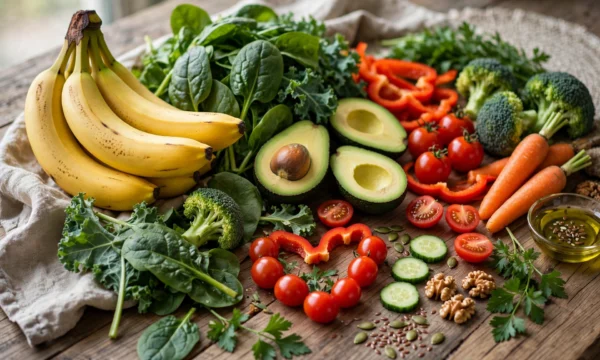
Common warning signs include persistent bloating, irregular digestion, fatigue, skin issues, and mood changes linked to the gut-brain axis. A fiber-rich Mediterranean Diet pattern, full of vegetables, legumes, and fermented foods, helps nourish beneficial bacteria and restore microbial diversity.
How to Restore a Healthy Gut Microbiome
To rebuild a resilient microbiome, prioritize diverse plant fibers, fermented foods like yogurt and kimchi, and adequate sleep. Our Complete Guide to Healthy Eating outlines balanced macronutrient strategies that feed beneficial bacteria and support the gut-brain axis.
Microbial Metabolites and Cognitive Function
When gut bacteria ferment non-digestible prebiotic fibers (found in garlic, onions, oats, and asparagus), they produce short-chain fatty acids (acetate, propionate, and butyrate). Butyrate facilitates the synthesis of Brain-Derived Neurotrophic Factor (BDNF), supporting neuroplasticity and hippocampal learning.
Chronic stress is one of the most potent disruptors of the gut-brain axis. When the sympathetic nervous system stays activated, cortisol and adrenaline reduce microbial diversity and increase intestinal permeability, sometimes called leaky gut. This allows bacterial endotoxins to enter the bloodstream, triggering systemic inflammation that can reach the brain and affect mood. Managing stress through mindfulness, deep breathing, or regular exercise is therefore not just good for mental health but directly supports a balanced microbiome and the 10 signs of an unhealthy gut begin to reverse.
Fermented foods are among the most evidence-backed tools for improving microbial diversity. Yogurt, kefir, kimchi, sauerkraut, and miso deliver live beneficial bacteria that can transiently colonize the gut and crowd out less helpful species. In a Stanford study, participants who ate a diet high in fermented foods increased their microbiome diversity and lowered markers of inflammation. Aim for at least one serving daily, and choose unpasteurized varieties when possible, since pasteurization kills the live cultures that provide the benefit.
Dietary fiber is the preferred fuel for beneficial gut bacteria. When microbes ferment soluble fiber from oats, beans, lentils, fruits, and vegetables, they produce short-chain fatty acids like butyrate that nourish the gut lining and calm inflammation. Aim for 25 to 38 grams of fiber daily from diverse plant sources, increasing gradually to avoid bloating. Equally important is sleep itself: poor sleep disrupts the microbiome within days, while good sleep supports microbial diversity, creating a positive feedback loop for both gut health and mood.
If digestive symptoms persist despite dietary changes, consider keeping a food and symptom journal to identify triggers. Some people benefit from a targeted probiotic supplement, though strains and doses matter, so discuss options with a clinician. Remember that restoring gut health is gradual; most people notice improvements in digestion, energy, and mood within four to eight weeks of consistent changes.
References
- Cryan JF et al. The Microbiota-Gut-Brain Axis. Physiol Rev, 2019.
- NIH National Center for Complementary and Integrative Health. Gut Microbiome and Brain. nccih.nih.gov