Choosing the best high protein foods makes meals more satisfying and supports muscle maintenance when paired with resistance training. A high-protein diet emphasizes options that deliver essential amino acids your body needs daily.

Table of Contents
This guide explains protein benefits, the best animal and plant protein sources, how much protein adults generally need, and how to build balanced meals. You will also learn how to combine high protein foods into meals you enjoy.
Why high-protein diets are popular in 2026
A 2026 U.S. wellness survey reported that a high-protein diet was the most commonly tried diet trend among respondents, with 43.3% saying they had tried it. The practical goal is not to maximize protein, but to include an appropriate amount while still getting fiber, vitamins, minerals, healthy fats, and enough overall energy.
What does protein do in the body?
Protein supplies amino acids used to build and repair tissues. It also contributes to enzymes, hormones, immune function, and many other biological processes. During weight loss, adequate protein can be useful because resistance exercise plus sufficient protein can help support lean mass.
How much protein do you need?
For generally healthy adults, the U.S. Recommended Dietary Allowance is 0.8 grams of protein per kilogram of body weight per day. Individual needs vary with age, body size, activity, training, pregnancy or lactation, health status, and goals.
A 70-kilogram adult has a basic RDA of about 56 grams per day. Someone who is older, highly active, recovering from illness, or following a structured resistance-training program may have different needs. A qualified dietitian can personalize the target.
Best High Protein Foods for Muscle and Health
Animal-based protein sources
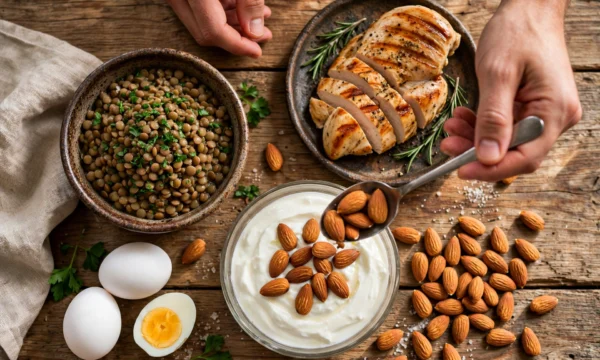
- Greek yogurt and cottage cheese
- Eggs
- Chicken and turkey
- Fish and seafood
- Lean beef and other lean meats
- Milk and other dairy foods
Plant-based protein sources
- Lentils and beans
- Chickpeas
- Tofu and tempeh
- Edamame
- Nuts and seeds
- Quinoa and other whole grains
Many plant proteins also provide fiber. Variety across the week can help meet protein needs while improving overall diet quality. Mixing different high protein foods through the week keeps meals interesting and nutritious.
How to build a balanced high-protein meal
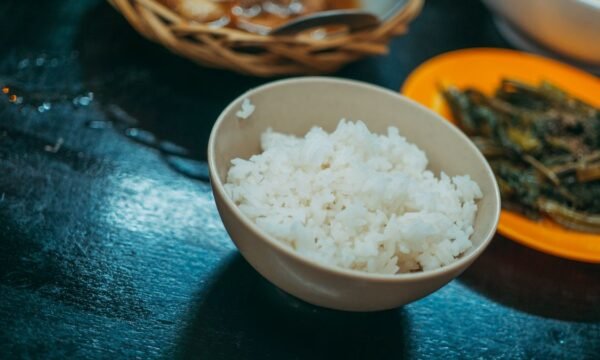
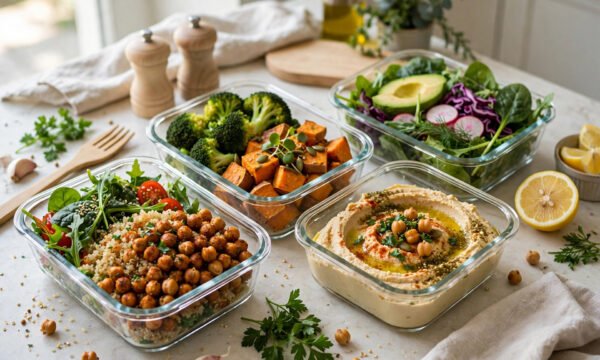
Start with a protein source, then add vegetables or fruit, a high-fiber carbohydrate when desired, and a source of healthy fat. Examples include grilled chicken with vegetables and brown rice, Greek yogurt with berries and nuts, or lentils with vegetables and whole grains. Rotating your high protein foods helps cover a wider range of nutrients.
See HealthRovia’s complete guide to macronutrients and guide to nutrient-dense foods.
Can a high-protein diet help with weight management?
Protein can support satiety and help preserve lean tissue when calories are reduced, but weight change still depends on the overall energy balance and long-term eating pattern. No high-protein menu guarantees weight loss. Including high protein foods at each meal can make modest calorie reduction feel more manageable.
If you are also considering prescription weight-management treatment, read our guide to GLP-1 weight loss medications. Nutrition remains important even when appetite is reduced by medication.
Protein and muscle health
Protein works best for muscle health when paired with resistance exercise. Walking and aerobic activity are valuable too. Our Zone 2 cardio guide explains how aerobic training can fit into a broader fitness plan. Pairing resistance training with high protein foods gives muscles the building blocks they need.
Should you use protein powders?
Protein powder is a convenience food, not a requirement. If normal meals provide enough protein, a supplement may add little benefit. Powders can help when schedule, travel, appetite, or food preferences make protein intake difficult. Whole high protein foods should come first; powders are simply optional.
When a high-protein diet may need caution
People with chronic kidney disease or certain medical conditions may need individualized protein guidance. A major increase in protein can also crowd out fruits, vegetables, whole grains, or other foods if the diet becomes too restrictive.
Pregnancy, adolescence, older age, competitive training, and recovery from illness can change nutrition needs. Get personalized advice before making a major dietary change if you have a medical condition or take medicines that affect nutrition or kidney function.
Common mistakes to avoid
- Assuming more protein is always better.
- Replacing vegetables and fiber-rich foods with protein foods.
- Relying heavily on processed meats.
- Using protein shakes as a substitute for every meal.
- Ignoring total calories,sleep, hydration, and physical activity
- Following social-media protein targets without considering individual needs.
Simple high-protein day of meals
Breakfast: Greek yogurt with berries, oats, and nuts.
Lunch: Chicken or lentil bowl with mixed vegetables, quinoa, and olive oil.
Snack: Cottage cheese with fruit, or hummus with vegetables.
Dinner: Fish, tofu, or lean poultry with vegetables and a high-fiber carbohydrate.
Portions should match your energy needs, preferences, and health goals. Adjust portions of high protein foods to match your activity level.
The bottom line
A high-protein diet can be useful, but balance matters more than chasing a maximum protein number. Choose a variety of protein foods, include plants and fiber, stay active, and adjust intake to your individual needs. Choose high protein foods you enjoy so the pattern is easy to maintain.
Sources and further reading
- National Academies: Dietary Reference Intakes
- Nutrition.gov: Basic Nutrition
- 2026 U.S. Wellness Trends Survey
HealthRovia provides general educational information and does not diagnose conditions or prescribe treatment.