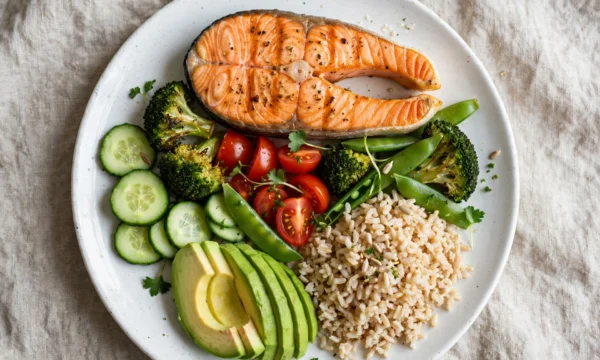
Macronutrients provide the caloric energy and biochemical building blocks required for human survival. The Centers for Disease Control and Prevention (CDC) emphasizes balanced macronutrient distribution to prevent chronic metabolic disease. This guide translates those principles into practical strategies for healthy eating out, so restaurant meals support your macros instead of sabotaging them.

Key Takeaways
- Protein provides 4 kcal/g, carbohydrates 4 kcal/g, and dietary fats 9 kcal/g.
- Dietary fiber supports digestive microbiome balance, insulin sensitivity, and healthy blood lipid levels.
- Target healthy unsaturated fatty acids while keeping saturated fats under 10% of total daily energy intake.
Protein: Structural Repair & Enzyme Synthesis
Composed of 20 amino acids, dietary protein maintains lean skeletal muscle mass, synthesizes neurotransmitters, and supports immune enzymes. The Recommended Dietary Allowance (RDA) begins at 0.8g per kilogram of body weight, with active individuals requiring 1.4 to 2.0g/kg according to the International Society of Sports Nutrition (ISSN). Understanding protein helps with healthy eating out choices.
For a concrete example of how protein targets translate into real meals, this PCOS-friendly meal plan balances lean protein, fiber, and healthy fats across a full day of eating.
Carbohydrates: Glycogen & Cellular Energy
Complex carbohydrates like oats, quinoa, and legumes provide sustained glucose release alongside dietary fiber, preventing erratic blood sugar spikes and reactive hypoglycemia. These carbs work well for healthy eating out.
Fats: Hormone Production & Cellular Membranes
Monounsaturated and polyunsaturated fats (omega-3 and omega-6 fatty acids) maintain cell membrane elasticity, reduce systemic inflammation, and enable the absorption of fat-soluble vitamins (A, D, E, and K).
Healthy Eating Out: Smart Protein Picks at Restaurants
Restaurant portions are generous, which makes protein the easiest macro to protect when you dine out. Scan the menu for grilled, roasted, baked, or steamed lean proteins such as chicken breast, fish, shrimp, tofu, or legumes, and ask for sauces and dressings on the side, since creamy sauces can quietly double the fat content of an otherwise lean dish. Starting with a broth-based soup or a side salad topped with grilled chicken front-loads protein and fiber, which naturally reduces how much of the main course you need to feel full. A palm-and-a-half-sized serving of protein, roughly 30 to 40 grams, at lunch and dinner keeps you near the daily targets described above without needing a food scale at the table. These healthy eating out strategies help you stay on track without missing out.
Carbohydrates and fats are where restaurant meals most often drift off plan. Swap refined sides like white rice, fries, or dinner rolls for fiber-rich options such as quinoa, brown rice, beans, or extra vegetables, which steady blood sugar and extend fullness. For fats, favor dishes built on olive oil, avocado, nuts, or fatty fish over butter-heavy or deep-fried preparations. If dessert is non-negotiable, split one with the table: the first three bites deliver most of the pleasure with a fraction of the sugar load. Remember that superfoods like leafy greens, berries, and fermented vegetables appear on many menus and add micronutrients without derailing your macros.
7 Practical Tips to Protect Your Macros When Dining Out
- Preview the menu online and decide your order before hunger and social pressure take over.
- Drink a large glass of water before the meal to fine-tune your true hunger signals.
- Order vegetables as your first course so fiber blunts the blood sugar impact of later dishes.
- Request half portions or box half the entree immediately to defeat oversized servings.
- Ask how dishes are cooked and choose grilled or steamed preparations over fried or breaded ones.
- Keep bread baskets and free chips at arm’s length or ask the server to skip them entirely.
- Finish with fresh fruit or a small dessert shared at the table instead of a full sugary course.
Social occasions deserve enjoyment, not anxiety. One effective strategy is the one-plate rule: fill a single plate with your chosen foods and skip the buffet line afterward. Research on portion awareness shows that people eat significantly less when refills require a deliberate trip rather than sitting within reach. Pair that with slower eating, putting your fork down between bites, and you will leave the restaurant satisfied instead of stuffed.
Healthy eating out is a skill, not a sacrifice. When your plate follows the protein-first, fiber-rich pattern above, dining out supports the same goals as home cooking. For meal-planning inspiration between restaurant visits, explore the Mediterranean diet, one of the most researched balanced eating patterns in nutrition science.
References
- CDC. Nutrition and Health. cdc.gov
- USDA Dietary Guidelines for Americans. dietaryguidelines.gov
- ISSN Position Stand: Protein and Exercise. J Int Soc Sports Nutr.