Your immune system is a complex network of cells, proteins, and tissues that protect your body from pathogens. While no single food acts as a magic shield, maintaining a diet rich in essential micronutrients and antioxidants optimizes immune resilience according to the World Health Organization. These nutrient-dense superfoods give your defenses daily support.
Key Takeaways
- Vitamin C, zinc, selenium, and probiotics form the core pillars of nutritional immunology.
- Gut health directly drives immune function: approximately 70% of immune tissue is located in the gut.
- Whole foods offer synergistic nutrient absorption superior to isolated synthetic supplements.
1. Citrus Fruits for Cellular Defense
Oranges, grapefruits, lemons, and limes are dense in Vitamin C (ascorbic acid). Vitamin C increases the proliferation and phagocytic activity of neutrophils and lymphocytes. A 2017 systematic review in Nutrients confirmed that regular intake reduces cold duration and severity.
2. Broccoli & Cruciferous Vegetables
Broccoli contains sulforaphane, a bioactive isothiocyanate that activates the Nrf2 antioxidant response pathway. This protects cellular DNA from oxidative stress and downregulates systemic inflammation.
3. Garlic and Bioactive Allicin
Crushed fresh garlic releases allicin, a sulfur-containing compound with documented antimicrobial, antifungal, and antiviral properties in peer-reviewed clinical literature.
4. Fermented Foods & Probiotics
Plain yogurt, kefir, and kimchi supply beneficial strains such as Lactobacillus and Bifidobacterium that enhance mucosal barrier integrity and secretory IgA production.
5. Spinach & Leafy Greens
Packed with beta-carotene, Vitamin C, and folate, dark leafy greens support continuous cellular regeneration and antibody production.
6. Blueberries for Antioxidant Power
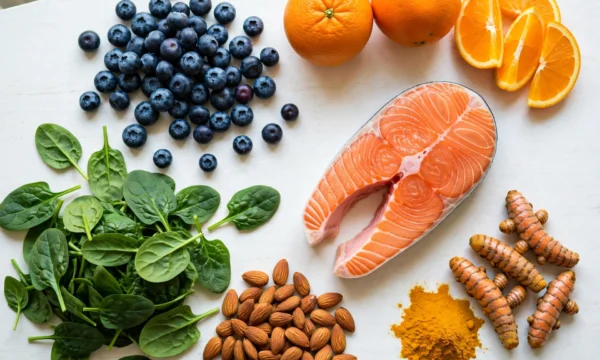
Blueberries are loaded with anthocyanins, potent antioxidants that protect immune cells from oxidative damage. Regular consumption is linked to fewer respiratory infections and stronger natural killer cell activity.
More Immune-Supporting Superfoods (7-10)
Round out your ten with almonds for vitamin E, fatty fish like salmon for omega-3s, sweet potatoes for beta-carotene, and green tea for EGCG — each adding distinct immune-supporting compounds to your daily rotation.
How to Add More Superfoods to Your Daily Diet
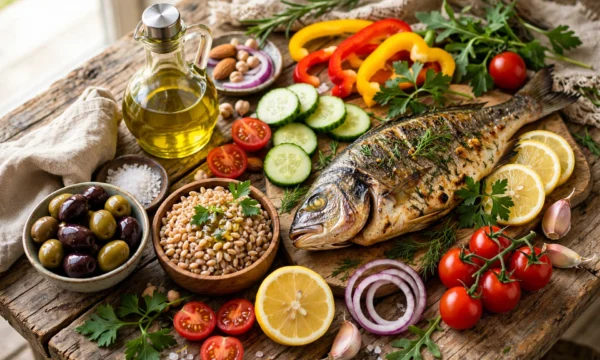
Build balanced plates with our Complete Guide to Healthy Eating, or take inspiration from the Mediterranean Diet, consistently ranked among the world’s healthiest eating patterns. Small daily additions of these superfoods compound into stronger immune resilience over time.
Summary Table of Immune Micronutrients
| Nutrient | Primary Food Sources | Key Immune Function |
|---|---|---|
| Vitamin C | Citrus, bell peppers, berries | White blood cell function & tissue repair |
| Sulforaphane | Broccoli, Brussels sprouts | Nrf2 antioxidant pathway activation |
| Allicin | Fresh crushed garlic | Antimicrobial & antiviral support |
| Probiotics | Yogurt, kefir, sauerkraut | Gut-associated lymphoid tissue modulation |
| Selenium | Brazil nuts, sunflower seeds | Selenoprotein enzyme antioxidant defense |
Frequently Asked Questions
How quickly does diet impact immune function?
Consistent nutrient intake over 2 to 4 weeks measurably improves cellular immune markers, though maintaining lifelong healthy eating patterns yields the greatest protection.
No food can guarantee prevention of infectious disease. Nutrition works synergistically with hand hygiene, vaccination, adequate sleep, and exercise.
References
- WHO. Healthy Diet Guidelines. who.int
- Carr AC, Maggini S. Vitamin C and Immune Function. Nutrients, 2017.
- National Institutes of Health (NIH). Dietary Supplements Fact Sheet. ods.od.nih.gov