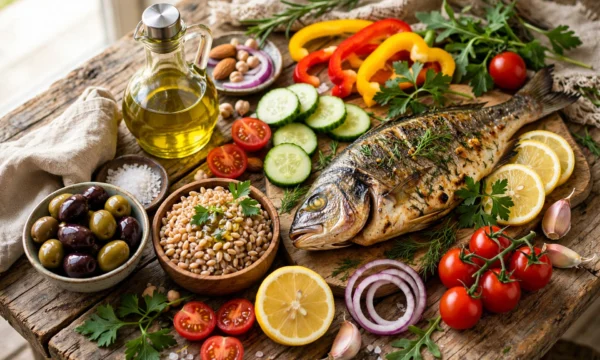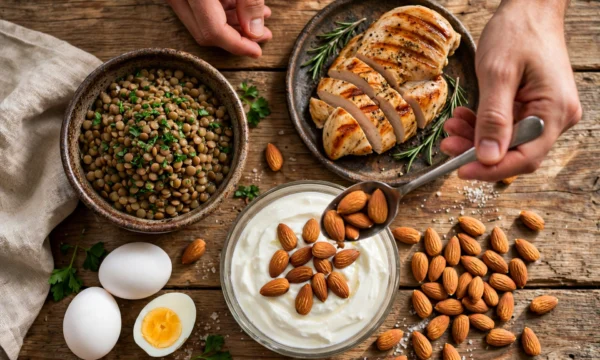
Choosing the best high protein foods makes meals more satisfying and supports muscle maintenance when paired with resistance training. A high-protein diet emphasizes options that deliver essential amino acids your body needs daily.
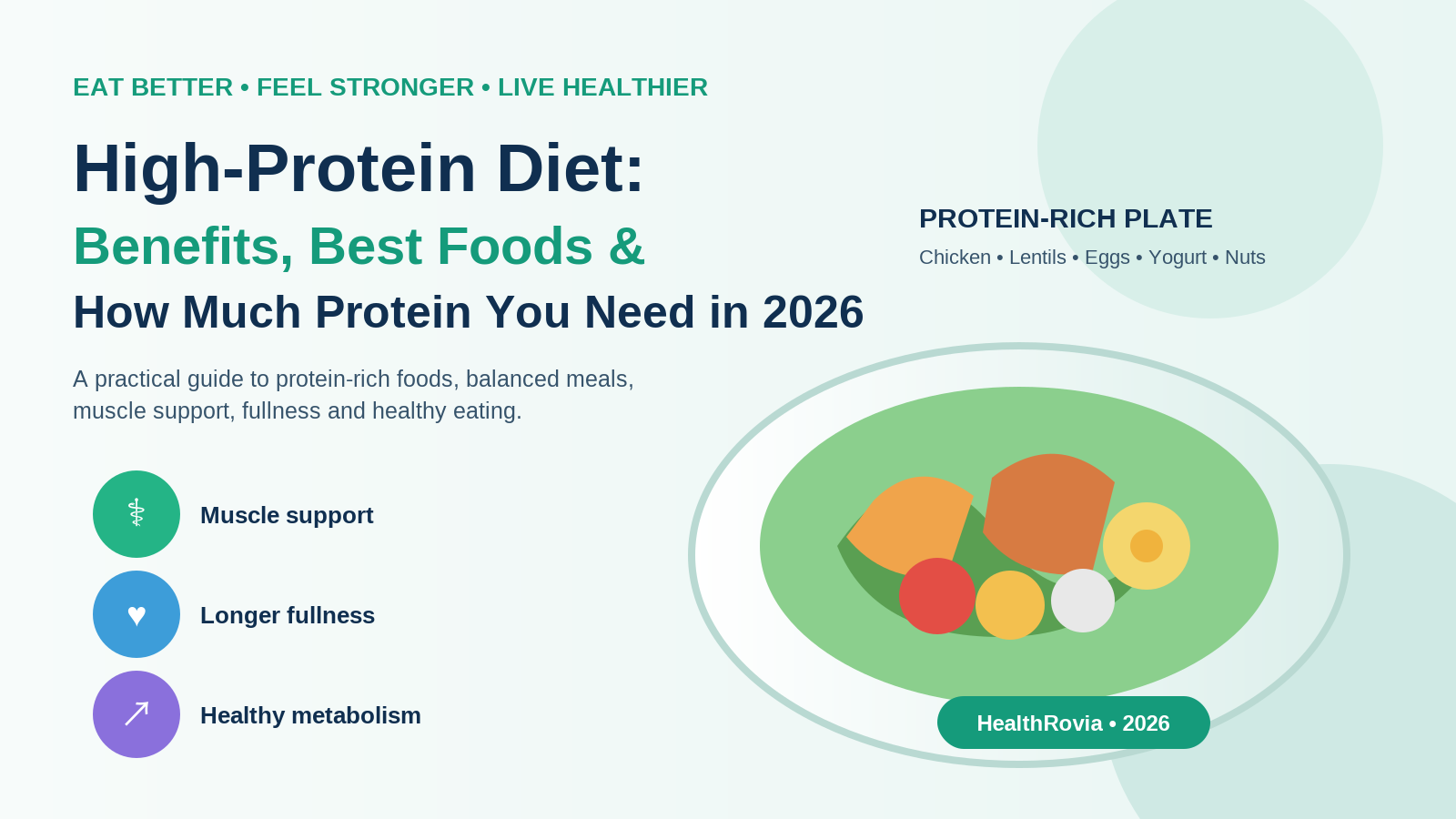

Table of Contents
This guide explains protein benefits, the best animal and plant protein sources, how much protein adults generally need, and how to build balanced meals. You will also learn how to combine high protein foods into meals you enjoy.
Why high-protein diets are popular in 2026
A 2026 U.S. wellness survey reported that a high-protein diet was the most commonly tried diet trend among respondents, with 43.3% saying they had tried it. The practical goal is not to maximize protein, but to include an appropriate amount while still getting fiber, vitamins, minerals, healthy fats, and enough overall energy.
What does protein do in the body?
Protein supplies amino acids used to build and repair tissues. It also contributes to enzymes, hormones, immune function, and many other biological processes. During weight loss, adequate protein can be useful because resistance exercise plus sufficient protein can help support lean mass.
How much protein do you need?
For generally healthy adults, the U.S. Recommended Dietary Allowance is 0.8 grams of protein per kilogram of body weight per day. Individual needs vary with age, body size, activity, training, pregnancy or lactation, health status, and goals.
A 70-kilogram adult has a basic RDA of about 56 grams per day. Someone who is older, highly active, recovering from illness, or following a structured resistance-training program may have different needs. A qualified dietitian can personalize the target.
Best High Protein Foods for Muscle and Health
Animal-based protein sources
- Greek yogurt and cottage cheese
- Eggs
- Chicken and turkey
- Fish and seafood
- Lean beef and other lean meats
- Milk and other dairy foods
Plant-based protein sources
- Lentils and beans
- Chickpeas
- Tofu and tempeh
- Edamame
- Nuts and seeds
- Quinoa and other whole grains
Many plant proteins also provide fiber. Variety across the week can help meet protein needs while improving overall diet quality. Mixing different high protein foods through the week keeps meals interesting and nutritious.
How to build a balanced high-protein meal
Start with a protein source, then add vegetables or fruit, a high-fiber carbohydrate when desired, and a source of healthy fat. Examples include grilled chicken with vegetables and brown rice, Greek yogurt with berries and nuts, or lentils with vegetables and whole grains. Rotating your high protein foods helps cover a wider range of nutrients.
See HealthRovia’s complete guide to macronutrients and guide to nutrient-dense foods.
Can a high-protein diet help with weight management?
Protein can support satiety and help preserve lean tissue when calories are reduced, but weight change still depends on the overall energy balance and long-term eating pattern. No high-protein menu guarantees weight loss. Including high protein foods at each meal can make modest calorie reduction feel more manageable.
If you are also considering prescription weight-management treatment, read our guide to GLP-1 weight loss medications. Nutrition remains important even when appetite is reduced by medication.
Protein and muscle health
Protein works best for muscle health when paired with resistance exercise. Walking and aerobic activity are valuable too. Our Zone 2 cardio guide explains how aerobic training can fit into a broader fitness plan. Pairing resistance training with high protein foods gives muscles the building blocks they need.
Should you use protein powders?
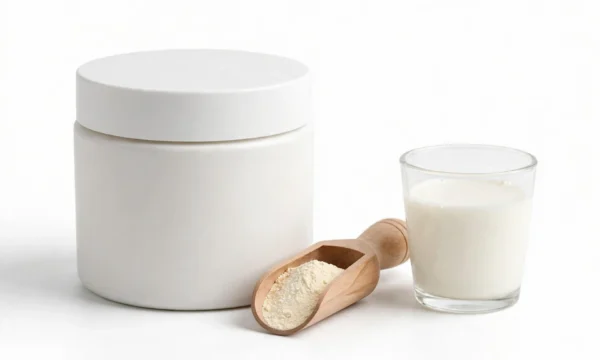
Protein powder is a convenience food, not a requirement. If normal meals provide enough protein, a supplement may add little benefit. Powders can help when schedule, travel, appetite, or food preferences make protein intake difficult. Whole high protein foods should come first; powders are simply optional.
When a high-protein diet may need caution
People with chronic kidney disease or certain medical conditions may need individualized protein guidance. A major increase in protein can also crowd out fruits, vegetables, whole grains, or other foods if the diet becomes too restrictive.
Pregnancy, adolescence, older age, competitive training, and recovery from illness can change nutrition needs. Get personalized advice before making a major dietary change if you have a medical condition or take medicines that affect nutrition or kidney function.
Common mistakes to avoid
- Assuming more protein is always better.
- Replacing vegetables and fiber-rich foods with protein foods.
- Relying heavily on processed meats.
- Using protein shakes as a substitute for every meal.
- Ignoring total calories,sleep, hydration, and physical activity
- Following social-media protein targets without considering individual needs.
Simple high-protein day of meals
Breakfast: Greek yogurt with berries, oats, and nuts.
Lunch: Chicken or lentil bowl with mixed vegetables, quinoa, and olive oil.
Snack: Cottage cheese with fruit, or hummus with vegetables.
Dinner: Fish, tofu, or lean poultry with vegetables and a high-fiber carbohydrate.
Portions should match your energy needs, preferences, and health goals. Adjust portions of high protein foods to match your activity level.
The bottom line
A high-protein diet can be useful, but balance matters more than chasing a maximum protein number. Choose a variety of protein foods, include plants and fiber, stay active, and adjust intake to your individual needs. Choose high protein foods you enjoy so the pattern is easy to maintain.
Protein Quality: Why the Source Matters as Much as the Grams
Most protein advice stops at “eat X grams per day.” That’s only half the story. Your body doesn’t use protein grams directly — it uses the essential amino acids inside them, and different foods deliver those amino acids with very different efficiency. Understanding quality helps you get more from the same plate.
Nutrition scientists measure protein quality with the Digestible Indispensable Amino Acid Score (DIAAS), which accounts for both amino acid content and how well your gut actually absorbs it. Animal proteins cluster at the top: whey isolate scores roughly 109–125, eggs around 113, milk about 114. Most plant proteins score lower — pea protein in the 62–82 range, rice near 59, wheat in the 40s — largely because of fiber, natural compounds that slow digestion, and one or two limiting amino acids.
The other key concept is leucine, the amino acid that acts as the trigger for muscle protein synthesis. The International Society of Sports Nutrition’s position stand advises that effective protein doses contain roughly 700–3,000 mg of leucine alongside a full set of essential amino acids — in practice, about 20–40 grams of a high-quality protein per serving for active adults. Whey is about 11–12% leucine by weight, so 25 grams gets you there; most plant proteins run 6–8% leucine, which means a bigger serving does the same job.
None of this means plant proteins are inadequate. It means the dose and combination matter more when plants are your main source — which is exactly what the next section covers.
Plant Protein vs Animal Protein: The Practical Scorecard
Here’s how the common options compare once you look past the marketing, condensed from protein-quality research:
- Whey isolate (DIAAS ~109–125): the efficiency champion — highest leucine density, fastest digestion. Useful, not mandatory.
- Eggs (DIAAS ~113) and dairy: complete amino acid profiles in familiar foods; Greek yogurt and cottage cheese double as high-protein snacks.
- Soy (DIAAS ~90–91): the standout plant protein, nearly matching animal sources. Tofu, tempeh, and edamame are complete proteins on their own.
- Pea + rice blends (DIAAS ~100 combined): the classic pairing — pea is low in methionine, rice is low in lysine, and together they cover each other’s gaps. This is why blended plant powders outperform single-source ones.
- Lentils, beans, chickpeas: moderate DIAAS individually, but they bring fiber and micronutrients animal proteins don’t, and pairing them with grains across the day completes the picture.
The research consensus is reassuring: when total protein and leucine are matched, plant and animal sources support comparable muscle maintenance — the difference is dose and planning, not destiny. Plant-based eaters typically do best aiming slightly higher on total intake (around 1.6–2.2 g/kg for active people) and combining complementary proteins like rice and beans or hummus and whole-wheat pita.
Spread It Out: The Case for Protein at Every Meal
Here’s a pattern researchers see constantly: someone eats a near-zero-protein breakfast, a light lunch, and then 80 grams of protein at dinner — hitting their daily total while getting surprisingly little benefit from it. Muscle protein synthesis responds to each feeding, and there’s a ceiling per meal. Piling everything into one sitting wastes the surplus.
The ISSN position stand recommends distributing protein doses every 3–4 hours across the day. In practice, that means anchoring each meal with a real protein serving: Greek yogurt or eggs at breakfast (25–30g), chicken, fish, tofu, or lentils at lunch (30–40g), and a similar anchor at dinner, plus a protein-containing snack if there’s a long gap. People who make this one change often report the same daily protein total feeling noticeably more satisfying — steadier energy, fewer late-night cravings — because protein’s fullness effect gets spread across the day too.
If you remember one number from this section, make it this: most adults do well getting at least 25–30 grams of protein at three separate meals, rather than chasing a single big number at night.
Protein After 50: When Needs Go Up, Not Down
Protein needs don’t retire at 50 — if anything, they get more important. After middle age, the body becomes less responsive to protein’s muscle-maintenance signal, a shift researchers call anabolic resistance. The practical result: older adults need more protein per meal, not less, to get the same muscle-maintenance response a younger person gets from a smaller serving.
The World Health Organization notes that protein needs rise above baseline during life stages of building or maintaining significant muscle, and many geriatric nutrition researchers suggest older adults aim toward 1.0–1.2 grams per kilogram daily — well above the 0.8 g/kg baseline — with an emphasis on leucine-rich servings at each meal. In plain terms: the eggs-or-yogurt breakfast that felt optional at 30 becomes load-bearing at 65.
Two caveats from this guide’s earlier caution section still apply. Anyone with kidney disease or a condition affecting protein metabolism should get individualized guidance before increasing intake, and more protein never justifies crowding out vegetables, fiber, and whole grains. For healthy older adults, though, the message is simple: keep lifting (even light resistance work counts), keep protein at every meal, and treat protein as a tool for staying strong and independent — not just a fitness trend.
Frequently Asked Questions
Can plant protein build and maintain muscle as well as whey?
Yes, with planning. Research shows that when total protein and leucine are matched, plant and animal proteins support comparable muscle maintenance. Plant-based eaters typically need slightly larger servings or smart combinations — rice and beans, pea and rice blends, or soy — to cover the leucine threshold, and aiming a bit higher on total daily intake covers the digestibility gap.
Is there such a thing as too much protein?
It can be. The WHO notes that excessive protein places a metabolic burden on the body, particularly the kidneys, and very high intakes tend to crowd out fiber, vegetables, and whole grains. For most people, hitting a sensible target from varied foods beats chasing a maximum — more is not automatically better.
Should I take protein powder if I already eat enough protein?
Probably not much, if your meals already cover your needs. Protein powder is a convenience food: useful when travel, a busy schedule, low appetite, or food preferences make it hard to hit your target from meals alone. Whole foods first, powder as a backup — not the other way around.
Sources and further reading
- National Academies: Dietary Reference Intakes
- Nutrition.gov: Basic Nutrition
- 2026 U.S. Wellness Trends Survey
HealthRovia provides general educational information and does not diagnose conditions or prescribe treatment.