Electrolytes are charged minerals that conduct electrical impulses essential for cardiac rhythm, muscle contraction, and fluid distribution across cellular membranes. While standard hydration advice emphasizes plain water, cellular hydration is impossible without adequate electrolyte balance according to the National Institutes of Health (NIH). This guide also explains when sugar free electrolyte drink mixes make sense over plain water.
Key Takeaways
- Sodium, potassium, and magnesium maintain osmotic pressure and the sodium-potassium ATPase pump.
- Hyponatremia (water intoxication) occurs when excess plain water dilutes serum sodium levels below 135 mmol/L.
- Use our interactive Daily Water Intake Calculator to calibrate your baseline fluid needs.
- Track your cardiovascular response with our clinical Blood Pressure Calculator.
The Sodium-Potassium Ratio in Metabolic Health
Modern Western diets supply excessive sodium alongside deficient potassium, elevating arterial stiffness. Epidemiological data in The New England Journal of Medicine demonstrates that a dietary sodium-to-potassium ratio of approximately 1:2 significantly lowers stroke risk and stabilizes resting blood pressure. While whole foods come first, sugar free electrolyte drink mixes can help during heavy sweating.
Summary Comparison of Key Electrolytes
| Electrolyte | Adult Daily Target | Primary Physiological Function | Best Whole Food Sources |
|---|---|---|---|
| Sodium (Na+) | 1,500 – 2,300 mg | Extracellular fluid volume & nerve impulses | Himalayan salt, sea salt, fermented olives |
| Potassium (K+) | 3,400 – 4,700 mg | Intracellular fluid, vasodilation & heart rhythm | Avocados, spinach, bananas, sweet potatoes |
| Magnesium (Mg2+) | 320 – 420 mg | 300+ enzymatic reactions, ATP synthesis & sleep | Pumpkin seeds, dark chocolate, almonds |
| Calcium (Ca2+) | 1,000 – 1,200 mg | Muscular contraction & skeletal mineral density | Sardines with bones, Greek yogurt, fortified greens |
Frequently Asked Questions
When do you need electrolyte supplements instead of plain water?
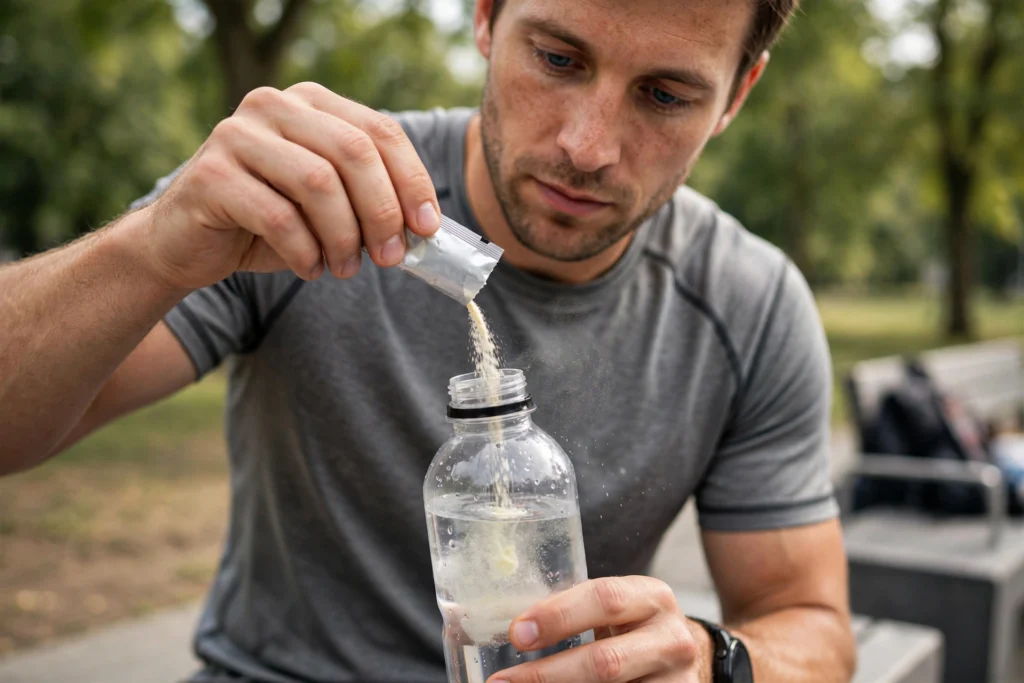
Electrolyte replenishment is recommended during vigorous workouts lasting longer than 60 minutes, heavy sweating in hot climates, prolonged fasting, or when following a low-carb ketogenic diet (calculate via our Macro Calculator). For these situations, sugar free electrolyte drink mixes are a practical option.
Sugar Free Electrolyte Drink Mixes: What to Look For
When choosing sugar free electrolyte drink mixes, look for meaningful sodium (200-500mg) and potassium levels without added sugars or artificial dyes. Our Importance of Hydration guide explains how to match your fluid strategy to activity level and
climate. For active lifestyles, our guide to staying active includes hydration timing tips for busy schedules.
Read labels critically: many ‘electrolyte’ products contain negligible sodium (under 100mg) yet market themselves as hydration solutions. Effective mixes list sodium chloride or sodium citrate among the first ingredients and disclose exact milligram amounts
rather than hiding behind proprietary blends. Avoid products bulked with maltodextrin or dextrose, which spike blood glucose.
Third-party certifications such as NSF or Informed Sport provide added assurance of purity and accurate labeling.
Building Your Daily Electrolyte Strategy
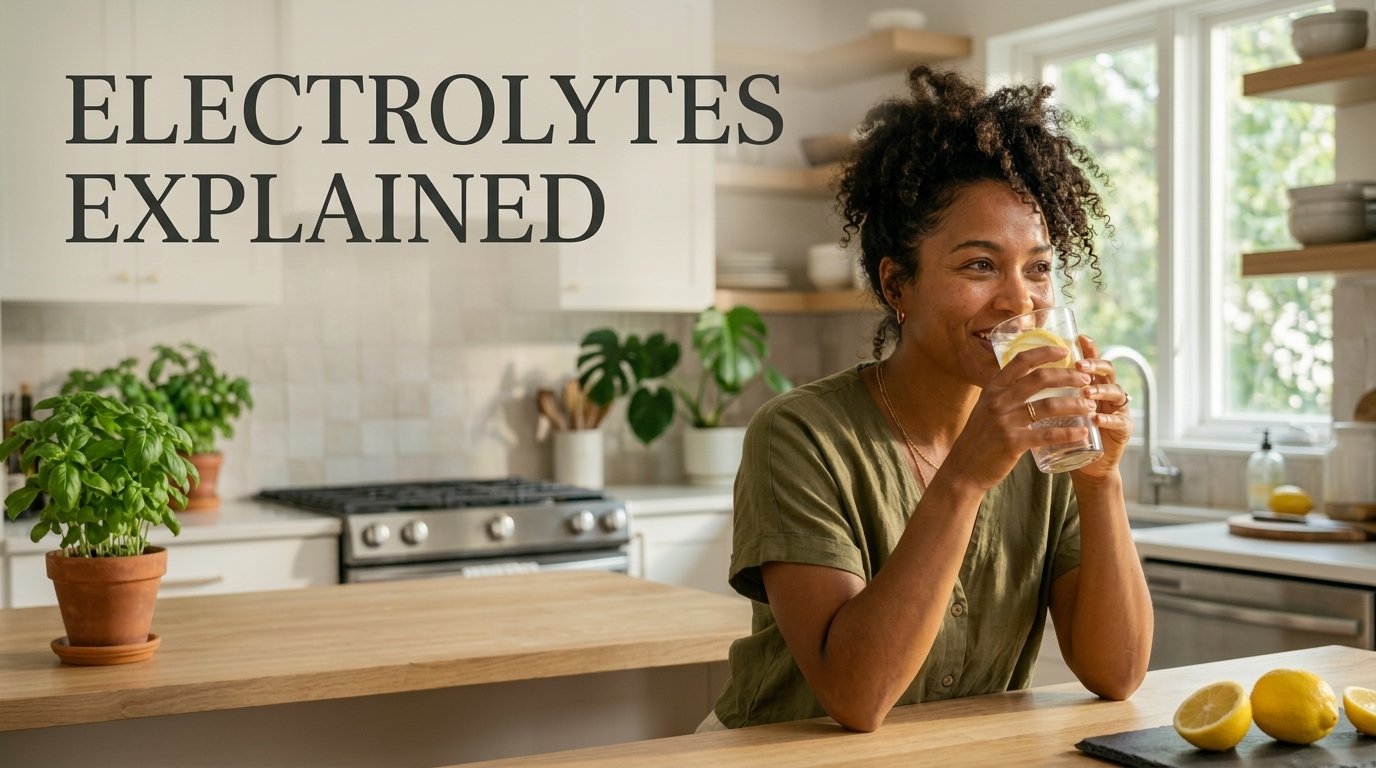
Start each morning by replenishing overnight losses: a large glass of water with a pinch of mineral-rich salt and a squeeze of lemon provides sodium and trace minerals before caffeine. Prioritize potassium-rich whole foods at every meal — leafy greens,
avocados, and legumes deliver far more potassium per serving than most supplements. Reserve sugar free electrolyte drink mixes for training days, illness, or hot weather when sweat losses exceed what food alone replaces.
Monitor your body’s signals rather than supplementing blindly. Persistent muscle cramps, afternoon fatigue, or headaches after sweating often indicate inadequate sodium or magnesium. Conversely, if you eat a potassium-rich diet and have healthy kidneys, additional potassium supplementation is rarely necessary. Track your intake for one week using a nutrition app to identify gaps, then adjust food choices before reaching for packaged mixes.
References
- NIH National Library of Medicine. Physiology, Electrolytes. ncbi.nlm.nih.gov
- O’Donnell M et al. Urinary sodium and potassium excretion, mortality, and cardiovascular events. N Engl J Med, 2014.