How to Reverse Fatty Liver Naturally: The 90-Day MASLD Protocol
About one in three adults worldwide has fat building up in their liver — most without knowing it. The good news: in its early stages, fatty liver is one of the few chronic conditions you can genuinely reverse. If you’re wondering how to reverse fatty liver naturally, this guide gives you a complete, evidence-based 90-day protocol — the exact diet framework, exercise targets, and lab-monitoring schedule that research shows actually works.
One quick update that matters: in 2023, liver experts renamed “non-alcoholic fatty liver disease (NAFLD)” to metabolic dysfunction-associated steatotic liver disease (MASLD). The new name reflects what scientists now understand — this is a metabolic condition, driven by insulin resistance and excess weight, not just a “liver problem.” Most competing articles still use the old terminology. We’ll use the current science throughout.
Key Takeaways
- It’s reversible — if you act early. About 1 in 3 adults has fat building up in the liver, but in the early stages the liver can genuinely heal. Once cirrhosis sets in, scarring is permanent.
- Target: lose 7–10% of your body weight. Research (Vilar-Gómez et al., Gastroenterology 2015) found this range resolved liver inflammation in most participants; 10% or more also reversed early scarring in nearly half.
- The proven formula: Mediterranean-style eating, 150+ minutes of weekly activity, zero alcohol for 90 days, and 7–8 hours of sleep.
- Go slow. Crash diets and very rapid weight loss can worsen liver inflammation — 1–2 lb (0.5–1 kg) per week is the safe maximum.
- Measure, don’t guess. Track ALT/AST liver enzymes and waist circumference, retest labs every 3–6 months, and see a doctor promptly for red flags like jaundice or abdominal swelling.
Medical Disclaimer: This article is for educational purposes only and is not medical advice. Key claims were verified against NIDDK, MedlinePlus, and peer-reviewed research. If you have diagnosed liver disease, work with your doctor alongside any lifestyle plan.
What Is Fatty Liver (MASLD), Exactly?
Fatty liver means more than 5% of your liver’s weight is fat. In MASLD, that fat accumulates because of metabolic dysfunction — typically insulin resistance, excess belly fat, or type 2 diabetes — rather than heavy alcohol use. (When alcohol is the driver, it’s a different condition: alcohol-related liver disease.)
The stages progress like this:
- Simple steatosis — fat in the liver, no inflammation. Highly reversible.
- Steatohepatitis (MASH) — fat plus inflammation and liver cell injury. Still reversible with sustained weight loss.
- Fibrosis — scarring begins. Early fibrosis can improve; advanced scarring is much harder to undo.
- Cirrhosis — extensive, permanent scarring. The goal shifts from reversal to preventing further damage.
That staging is exactly why acting early matters so much — and why learning how to reverse fatty liver naturally now, rather than later, changes the outcome.
Can You Really Reverse Fatty Liver? What the Science Says
Yes — with an important qualification. The landmark 2015 study by Vilar-Gómez and colleagues (published in Gastroenterology) followed people with liver biopsies and found a clear dose-response: losing 7–10% of body weight resolved steatohepatitis in the majority of participants, and losing 10% or more led to fibrosis regression in nearly half.
In plain terms: the liver is remarkably forgiving in the early stages. Remove the metabolic overload — excess calories, sugar, alcohol, inactivity — and liver fat can drain away within weeks to months. But once cirrhosis is established, no diet or supplement can dissolve scar tissue. Honest timelines beat miracle claims, and this protocol is built on that honesty.
The Math: How Much Weight Do You Actually Need to Lose?
Forget vague advice to “lose some weight.” Here’s the worked math for the 7–10% target:
| Starting weight | 7% target | 10% target |
|---|---|---|
| 160 lb (73 kg) | 11 lb (5 kg) | 16 lb (7.3 kg) |
| 180 lb (82 kg) | 12.6 lb (5.7 kg) | 18 lb (8.2 kg) |
| 200 lb (91 kg) | 14 lb (6.4 kg) | 20 lb (9.1 kg) |
| 220 lb (100 kg) | 15.4 lb (7 kg) | 22 lb (10 kg) |
| 250 lb (113 kg) | 17.5 lb (8 kg) | 25 lb (11.3 kg) |
At a safe, sustainable rate of 1–2 lb per week, a 200 lb person reaches the 7% mark in about 2–3 months — which is exactly why this is a 90-day protocol. Warning: crash dieting and very rapid weight loss can actually worsen liver inflammation. Slow and steady is a medical requirement here, not just a preference.
The 90-Day Fatty Liver Reversal Protocol
Here’s how to reverse fatty liver naturally in three structured phases. Each phase builds on the last — don’t skip ahead.
Phase 1 — Days 1–30: Remove the Load
The first month is about stopping the damage, not perfection:
- Zero alcohol for 90 days. Even moderate drinking accelerates fat accumulation and fibrosis. This is non-negotiable during the protocol.
- Eliminate sugary drinks — soda, sweetened coffee drinks, fruit juice. Fructose goes straight to liver fat production.
- Cut ultra-processed foods — packaged snacks, fast food, processed meats. If it has a long ingredient list, skip it.
- Walk 150 minutes per week (e.g., 30 minutes, 5 days). Brisk walking improves insulin sensitivity within days.
- Sleep 7–8 hours. Short sleep raises the hormones that drive belly fat and insulin resistance.
Phase 2 — Days 31–60: Build the Engine
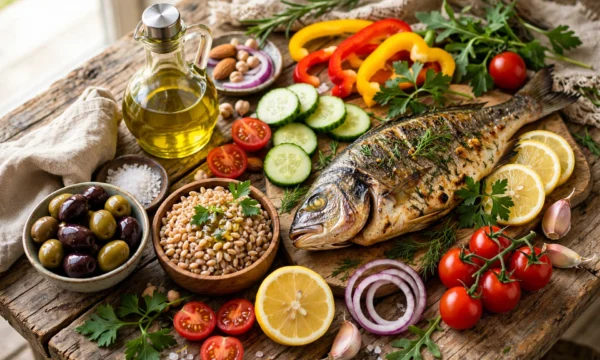
- Shift to Mediterranean-style eating — vegetables, legumes, whole grains, fatty fish, olive oil, nuts. This pattern has the strongest evidence for liver fat reduction of any diet. Our Mediterranean diet guide breaks down the science behind the world’s healthiest eating pattern.
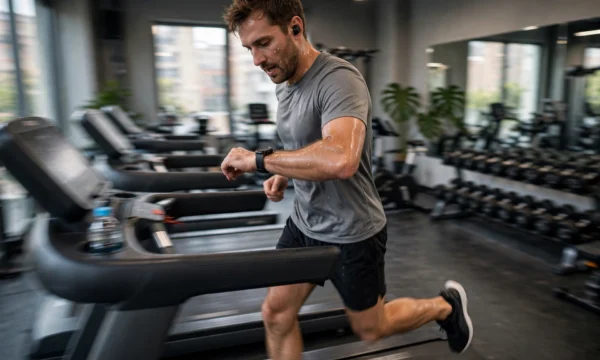
- Add Zone 2 cardio: 150–180 minutes per week at a pace where you can still hold a conversation. This intensity is uniquely effective at burning fat and improving metabolic flexibility — see our Zone 2 cardio guide for the full protocol.
- Strength train twice a week. Muscle is your metabolic sink — it soaks up blood sugar that would otherwise head to the liver.
- Drink coffee (black). Multiple observational studies link 3+ cups of black coffee daily with less liver fibrosis. Skip the sugar and cream.
Phase 3 — Days 61–90: Consolidate and Measure
- Lock in the eating pattern as your default — not a “diet” you finish.
- Increase activity toward 200–300 minutes per week if weight loss has stalled.
- Track waist circumference weekly (belly fat tracks liver fat closely).
- Schedule your 3-month lab retest (details below).
What to Eat: The MASLD Food Framework
Eat more of: leafy greens and cruciferous vegetables, lentils and chickpeas, oats and quinoa, salmon/sardines/mackerel, extra-virgin olive oil, walnuts and almonds, berries, black coffee, green tea.
Limit or avoid: alcohol (zero during protocol), sugary drinks and sweets, white bread/pastries, fried foods, processed meats (bacon, sausage, deli meats), trans fats.
Sample day:
- Breakfast: Greek yogurt with berries, walnuts, and oats
- Lunch: Large salad with chickpeas, olive oil—lemon dressing, and grilled salmon
- Snack: Apple with a handful of almonds
- Dinner: Lentil soup with whole-grain bread and steamed broccoli with olive oil
The Exercise Prescription in Numbers
Research supports 150–300 minutes of moderate aerobic activity per week plus resistance training at least twice weekly for liver fat reduction — and exercise helps even before the scale moves, because it directly improves insulin sensitivity. If you’re starting from zero, begin with walking and add 10% more time each week. Consistency beats intensity when learning how to reverse fatty liver naturally.
Coffee and Fatty Liver: What the Evidence Shows
This surprises most people: coffee is one of the most consistently protective beverages for the liver in observational research. Meta-analyses associate regular coffee drinking — roughly 3 or more cups daily — with lower liver enzyme levels and less fibrosis. The effect appears tied to coffee itself (antioxidants, anti-inflammatory compounds), not caffeine alone, since benefits show up with decaf too. Keep it black; sugary coffee drinks undo the benefit.
How to Track Progress: Labs and Retests
Don’t guess — measure. Ask your doctor about:
- Liver enzymes: ALT, AST, and GGT. Elevated ALT is the classic early signal; watch it trend down.
- Imaging: abdominal ultrasound or FibroScan (transient elastography), which quantifies both fat and stiffness.
- Metabolic markers: fasting glucose, HbA1c, triglycerides.
- Waist circumference: measure at the navel weekly — it correlates tightly with liver fat.
Retest labs every 3–6 months. Meaningful liver fat reduction typically shows within 8–12 weeks of sustained 7%+ weight loss — the clearest sign your plan for how to reverse fatty liver naturally is working.
Red Flags: When Natural Reversal Isn’t Enough
See a doctor promptly — don’t rely on lifestyle alone — if you notice: yellowing of skin or eyes (jaundice), abdominal swelling, confusion or extreme fatigue, vomiting blood or black stools, or easy bruising/bleeding. These can signal advanced fibrosis or cirrhosis, where the strategy shifts from reversal to medical management. Also get evaluated first if you have type 2 diabetes, since it accelerates progression.
FAQs: How to Reverse Fatty Liver Naturally
How long does it take to reverse fatty liver?
With sustained 7–10% weight loss, liver fat often drops measurably within 8–12 weeks, and steatohepatitis can resolve within 6–12 months. Advanced fibrosis takes longer and may only partially improve.
Can apple cider vinegar reverse fatty liver?
There’s no clinical evidence that apple cider vinegar reverses fatty liver. Small studies suggest modest blood-sugar effects, but it can’t replace weight loss, diet change, and exercise.
Do I have to quit alcohol completely?
During the 90-day protocol, yes — zero alcohol. Afterward, discuss safe limits with your doctor; many hepatologists advise continued abstinence for anyone with a history of fatty liver.
Is fatty liver reversible after fibrosis starts?
Early (mild–moderate) fibrosis can regress with ≥10% weight loss sustained over time. Once cirrhosis develops, scarring is largely permanent — which is why early action matters.
What’s the single best drink for fatty liver?
Water first; black coffee second (evidence-backed). Avoid sugary drinks, juice, and alcohol entirely.
Can losing weight too fast hurt my liver?
Yes. Crash diets and very-low-calorie crash programs can spike liver inflammation. Stick to 1–2 lb (0.5–1 kg) per week maximum.
The Bottom Line
Learning how to reverse fatty liver naturally comes down to an unglamorous but powerful formula: lose 7–10% of your body weight through Mediterranean-style eating, 150+ minutes of weekly activity, zero alcohol, and consistent sleep — then verify with labs. The liver wants to heal; your job is to stop overloading it and give it 90 focused days. Start Phase 1 today.