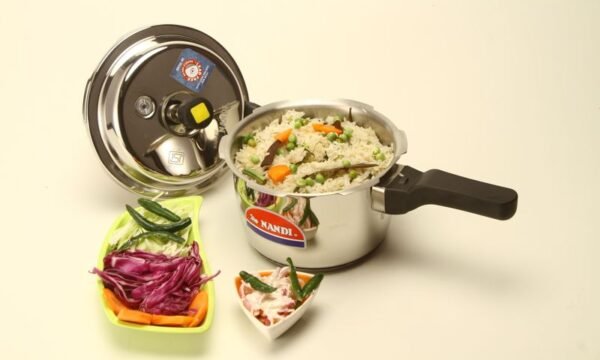
If weeknights feel like a race between hunger and the clock, a pressure cooker might be your most useful — and most misunderstood — appliance. Learning how to use a pressure cooker is far simpler than it looks.
Pressure cooking is cooking with trapped steam. At normal air pressure, water boils at 212°F (100°C) and can’t get hotter — but sealed inside a locked pot, pressure pushes the boiling point to about 250°F (121°C), cooking food dramatically faster while keeping it moist. This guide to how to use a pressure cooker covers the parts, the steps, release methods, safety rules, a time chart, and starter recipes.
Key Takeaways
- Trapped steam raises water’s boiling point to about 250°F (121°C), cooking food up to 70% faster.
- The three golden rules of how to use a pressure cooker: always add at least 1 cup of thin liquid (for a 6-quart cooker), never fill past two-thirds full — half full for beans, grains, and foamy foods — and never force the lid open.
- Choose natural release (10–20 minutes) for meats, beans, and soups; quick release for vegetables and seafood.
- Stovetop and electric models like the Instant Pot follow the same principles; electric cookers simply automate the heat and timing.
- Keep the steam vent clean and always follow your manufacturer’s instructions as you learn how to use a pressure cooker — modern cookers have multiple backup safety features.
What Is a Pressure Cooker and How Does It Work?
A pressure cooker is a heavy, sealed pot with a locking lid and a steam valve. As liquid boils, steam builds to about 11–12 psi above normal air pressure, raising water’s boiling point to roughly 250°F (121°C) — so dried beans that need hours on the stove finish in under an hour. That’s the basic physics behind how to use a pressure cooker.
There are two types. A stovetop cooker sits on a burner: bring it to pressure over high heat, then lower the flame, guided by a jiggling regulator. An electric cooker — the Instant Pot is the famous example — heats itself: lock the lid, press a button, and sensors manage everything. Either way, the basics of how to use a pressure cooker are identical.
The Parts of a Pressure Cooker
Before you learn how to use a pressure cooker, learn its anatomy — every safety rule below refers back to these parts:
- Lid with locking mechanism — twists shut and can’t open while pressurized.
- Sealing ring (gasket) — silicone ring inside the lid that creates the airtight seal.
- Steam release valve — vents steam manually; on electrics it toggles between “sealing” and “venting.”
- Float valve — small pin that pops up at full pressure and drops when pressure is gone.
- Steam vent — the opening steam escapes through; must stay clear of debris.
- Inner pot — removable vessel (electric models) that holds food and liquid.
- Control panel (electric only) — presets for pressure level, time, sauté, and more.
How to Use a Pressure Cooker: A Step-by-Step Guide
Every pressure cooker meal follows the same rhythm. Walk through this guide to how to use a pressure cooker once, and it becomes second nature.
Step 1: Add liquid first
Steam needs liquid — add at least 1 cup (240 ml) of thin liquid like water or broth to a 6-quart cooker (1½–2 cups for an 8-quart). Thick sauces don’t count: they scorch before producing steam and trigger the “burn” warning on electrics. This liquid rule is the foundation of how to use a pressure cooker safely.
Step 2: Add ingredients — but don’t overfill
Add food on top of the liquid. Never fill past two-thirds full; for foods that expand or foam — beans, lentils, rice, grains — stop at half full.
Step 3: Check the ring and vents, then lock the lid
Check the sealing ring sits evenly and the vent is clear, then twist the lid until it locks. On electrics, confirm the valve is set to “sealing” — the classic beginner error.
Step 4: Choose the pressure level and set the time
Most recipes use high pressure; low suits delicate foods like eggs and fish. Set the time per your recipe — the timer counts only time at full pressure, not heat-up.
Step 5: Let the pressure build
The cooker needs 5–15 minutes to reach pressure. You’ll hear hissing, then near-silence as the float valve pops up — only then does the countdown start.
Step 6: Cook at pressure — hands off
Walk away — the lid stays locked until pressure drops.
Step 7: Release the pressure
When the timer ends, release pressure with natural release or quick release (below) as your recipe specifies.
Step 8: Open the lid safely
Wait until the float valve drops fully — proof the pressure is gone. Lift the lid tilted away from you so residual steam escapes away from your face.
Natural Release vs Quick Release: What’s the Difference?
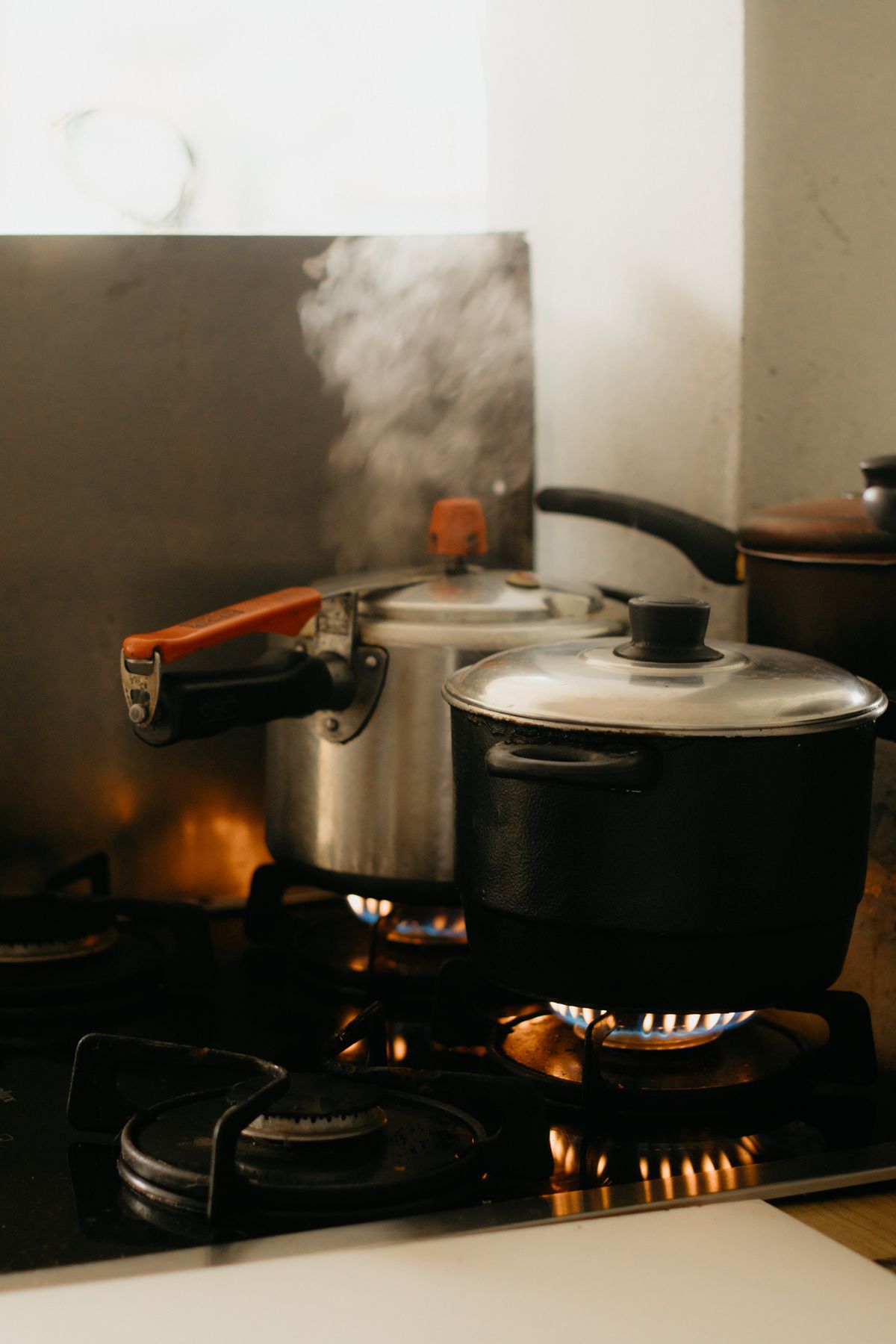
Natural release means doing nothing: switch off and let the pot cool 10–20 minutes while pressure falls gradually. Ideal for meats, beans, grains, and soups; foamy foods demand it, since quick venting sprays starchy liquid through the valve. Knowing when to choose it is a core skill in how to use a pressure cooker.
Quick release means opening the steam valve — with a wooden spoon handle, hands and face clear — to vent steam all at once. Use it for vegetables, seafood, eggs, and pasta, where extra minutes mean mush. Many recipes split the difference: 10 minutes natural, then quick.
One rule covers both: never quick-release a very full pot of soup or beans. Master these two methods and you’ve learned the trickiest part of how to use a pressure cooker.
Pressure Cooker Safety Essentials
Modern cookers have redundant safeguards — locking lids, backup valves, sensors that cut heat if something’s wrong. These are the non-negotiables of how to use a pressure cooker:
- Never force the lid. If it resists, pressure remains — wait for the float valve to drop.
- Keep the vent and valves clean; check before every cook. A clogged vent causes most problems.
- Don’t overfill: two-thirds max, half for beans, grains, and foamy foods.
- Never heat oil under pressure — pressure frying needs commercial equipment.
- Inspect the sealing ring; replace a cracked or loose one about yearly with heavy use.
- Keep hands, face, and children away from escaping steam.
- Always follow your manufacturer’s instructions — they override any general guide.
What Cooks Best in a Pressure Cooker (and What to Avoid)
Pressure cookers shine with foods that demand patience: beef chuck, pork shoulder, and chicken thighs turn spoon-tender in under an hour; dried beans go creamy without soaking; grains, root vegetables, soups, stews, and chili all cook fast with remarkable flavor. If you enjoy low-and-slow cooking too, our guide to how to use a slow cooker covers the gentler alternative.
Use caution with dairy — milk, cream, and cheese can curdle, so stir them in after. Add fresh herbs at the end, time pasta precisely, and thicken sauces afterward, since starches can scorch and block steam. Delicate seafood needs very short times — once you know how to use a pressure cooker, you’ll adjust instinctively.
Pressure Cooking Time Chart
Times are for high pressure in a 6-quart cooker, counted once full pressure is reached (not heat-up). Start at the low end — you can always add time. For the complete official reference, see Instant Pot’s official cooking time tables.
| Food | At high pressure | Best release |
|---|---|---|
| Chicken breasts, boneless (1½ lb) | 8–10 min | Quick |
| Chicken thighs, bone-in | 10–12 min | Quick |
| Whole chicken (3–4 lb) | 20–25 min | Natural 10 min |
| Beef stew meat (1½-inch cubes) | 35 min | Natural 10 min |
| Pork shoulder (2-inch chunks) | 40–45 min | Natural 10–15 min |
| Brown rice | 20–22 min | Natural 10 min |
| Black beans, soaked | 8–10 min | Natural |
| Chickpeas, soaked | 12–15 min | Natural |
| Red lentils | 5–6 min | Natural 5 min |
| Potatoes, quartered | 8–10 min | Quick |
| Eggs, hard-boiled (5-5-5 method) | 5 min | Quick, then ice bath |
| Steel-cut oats | 6–8 min | Natural 10 min |
6 Easy Beginner Recipe Ideas
Each of these forgives small mistakes — perfect while you’re still learning how to use a pressure cooker:
- Weeknight chicken soup: thighs, carrots, celery, onion, broth — 10 minutes, natural release. Then try our best soups for winter.
- No-stir risotto: arborio rice and broth, 6 minutes; Parmesan stirred in after.
- Beef stew: browned chuck, potatoes, carrots, broth — 35 minutes replaces an afternoon of simmering.
- Salsa chicken: breasts plus a jar of salsa, 10 minutes — shred for tacos or bowls.
- Black bean chili: soaked beans, tomatoes, onion, spices — rich and thick in 25 minutes.
- Honey garlic chicken: thighs, honey, garlic, soy sauce, and broth — 12 minutes, quick release. Sticky, savory, and endlessly versatile.
Common Mistakes to Avoid
- Skimping on liquid — the first lesson in how to use a pressure cooker: without enough thin liquid, the pot can’t pressurize and food scorches.
- Overfilling, especially with beans, grains, or foamy foods.
- Leaving the valve on “venting,” so pressure never builds.
- Quick-releasing foamy foods or a very full pot of soup.
- Adding dairy, cheese, or thickeners before cooking instead of after.
- Ignoring a worn ring — steam leaking at the rim means replace it.
- Skipping the deglaze after sautéing, which triggers the “burn” warning.
How to Clean and Care for Your Pressure Cooker
Let everything cool, then wash the inner pot, lid, and ring in warm, soapy water. Rinse the steam and float valves, wipe the rim where the lid seats, and never immerse an electric base.
Deodorize a smelly ring with a white-vinegar soak, air-dry, and store the lid ajar. Replace the ring yearly with heavy use.
Frequently Asked Questions
Is a pressure cooker safe for beginners?
Yes — modern cookers are built for beginners. Anyone learning how to use a pressure cooker gets help from locking lids that won’t open under pressure, backup valves, and auto shut-off on electrics. Just follow the safety rules in this guide, keep the vent clean, and follow your manufacturer’s instructions.
How much water do you put in a pressure cooker?
At least 1 cup (240 ml) of thin liquid for a 6-quart cooker, or 1½ to 2 cups for an 8-quart. It must be thin — water, broth, or juice — since thick sauces scorch before making steam. Fill no more than two-thirds full, or half full for beans and grains. When learning how to use a pressure cooker, memorizing this minimum matters more than any recipe.
What is the difference between natural release and quick release?
Natural release: let the pot cool untouched 10–20 minutes — best for meats, beans, grains, soups. Quick release: open the steam valve to vent fast — best for vegetables, seafood, eggs. Hybrid: 10 minutes natural, then quick.
Can you overcook food in a pressure cooker?
Yes — a few extra minutes can turn vegetables to mush. Use tested times, start at the low end, and quick-release delicate foods. Verify meats with a food thermometer: the USDA’s safe minimum internal temperature chart lists 165°F for poultry and 160°F for ground meats.
Can I convert my regular recipes to pressure cooking?
Usually. As you learn how to use a pressure cooker, cut the liquid (the sealed lid traps moisture), reduce the time to about one-third, and add dairy, herbs, and thickeners after cooking.
A Quick Note
Safety disclaimer: This article is for general information only, not professional advice. Pressure cookers involve hot steam and high pressure — follow your manufacturer’s instructions and check the ring and vents before each use.
For exact water ratios and cook times, see our instant pot rice.