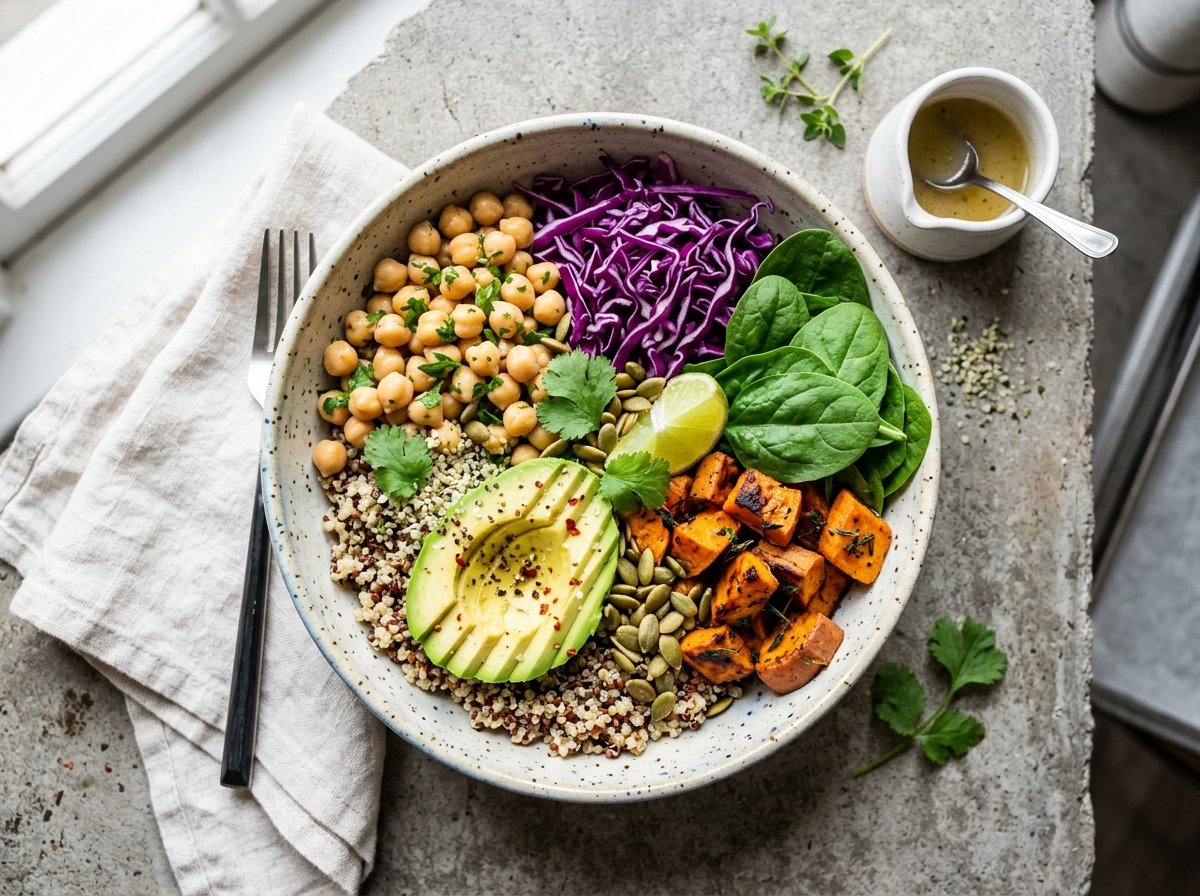
Does intermittent fasting work for weight loss and longevity, or is it just another diet trend? Intermittent fasting (such as 16:8 time-restricted feeding) alternates between structured periods of eating and fasting. Research published in The New England Journal of Medicine highlights how metabolic switching from glucose utilization to ketone oxidation optimizes cellular repair and insulin sensitivity — benefits that appear to go beyond simple calorie restriction.
Does Intermittent Fasting Work? What the Research Says
In their landmark 2019 review, de Cabo and Mattson summarized evidence from animal and human studies: intermittent fasting regimens improved obesity, insulin resistance, dyslipidemia, hypertension, and markers of inflammation. Human trials of time-restricted eating consistently show modest weight loss — largely because a shorter eating window naturally reduces calorie intake — alongside improvements in blood pressure and insulin sensitivity even when weight loss is minimal.
Researchers emphasize that fasting is not magic: it works mainly because most people eat less overall. But the metabolic switching it triggers — the flip from burning glucose to burning ketones — appears to activate cellular repair pathways that constant grazing does not. Training your body to switch between fuel sources efficiently is a skill in itself, explored in depth in our guide to Metabolic Flexibility: How to Train Your Body to Burn Both Carbs and Fats Efficiently.
So does intermittent fasting work? For many people, yes — but it works best as a sustainable eating pattern rather than a short-term fix, and results vary with the protocol, the individual, and what fills the eating window.
How Intermittent Fasting Works in the Body
After roughly 12 hours without food, liver glycogen runs low and the body begins producing ketone bodies from stored fat — the so-called metabolic switch. Ketones serve as an efficient fuel for the brain and act as signaling molecules that upregulate stress-resistance pathways. Simultaneously, falling insulin levels allow fat stores to be mobilized, while cellular cleanup processes like autophagy accelerate, clearing damaged organelles and misfolded proteins.
What you eat during the feeding window still matters enormously. Prioritize protein, fiber, and whole foods to preserve muscle and stay satiated — our High-Protein Diet: Benefits, Best Foods & How Much Protein You Need in 2026 guide shows how to structure those meals for steady energy.
To make sure your eating window actually produces a calorie deficit, calculate your daily calorie target and plan your meals around it.
Popular Fasting Schedules
The 16:8 method — fasting for 16 hours with an 8-hour eating window — is the most studied and the most sustainable for beginners. Alternatives include the 5:2 approach (five normal eating days, two very-low-calorie days) and alternate-day fasting, though adherence tends to drop with stricter protocols. If you are new to fasting, start with a 12-hour overnight fast and extend the window gradually over several weeks. Whichever schedule you choose, consistency over several weeks matters far more than perfection on any single day.
Who Should Be Careful
Fasting is contraindicated for pregnant or nursing women, individuals with a history of eating disorders, and those with unmanaged type 1 diabetes. People taking glucose-lowering or blood pressure medication should only fast under medical supervision, since dose adjustments are often needed. Anyone with a chronic condition should consult a clinician before starting.
Key Takeaways
- 16:8 time-restricted eating allows an 8-hour daily nutritional window and 16 hours of overnight fasting.
- Autophagy helps clear damaged cellular organelles and misfolded proteins during prolonged caloric absence.
- Fasting is contraindicated for pregnant or nursing women, individuals with history of eating disorders, and those with unmanaged type 1 diabetes.
- Fasting works mainly through reduced calorie intake, but metabolic switching may add unique cellular benefits.
References
- de Cabo R, Mattson MP. Effects of Intermittent Fasting on Health, Aging, and Disease. N Engl J Med, 2019.
- NIH National Institute on Aging (NIA). Research on Caloric Restriction. nia.nih.gov