Modern FDA Nutrition Facts labels provide critical nutritional information to help consumers manage chronic health conditions and maintain optimal dietary balance. This step-by-step guide shows you how to read nutrition labels with confidence, so every grocery trip supports your health goals.
Key Takeaways
- Always check the serving size and servings per container before evaluating nutrient values.
- 5% Daily Value or less is considered low; 20% Daily Value or more is considered high.
- Pay close attention to added sugars and sodium content to protect cardiovascular health.
1. Serving Sizes and Real Portions
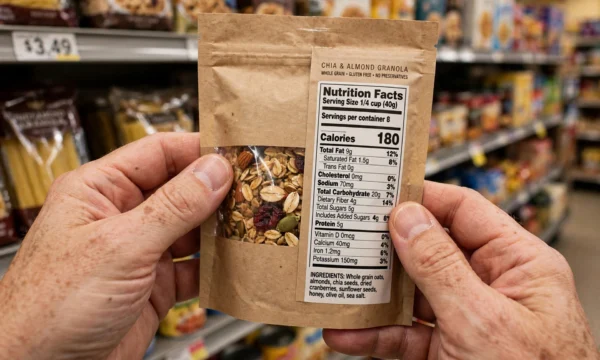
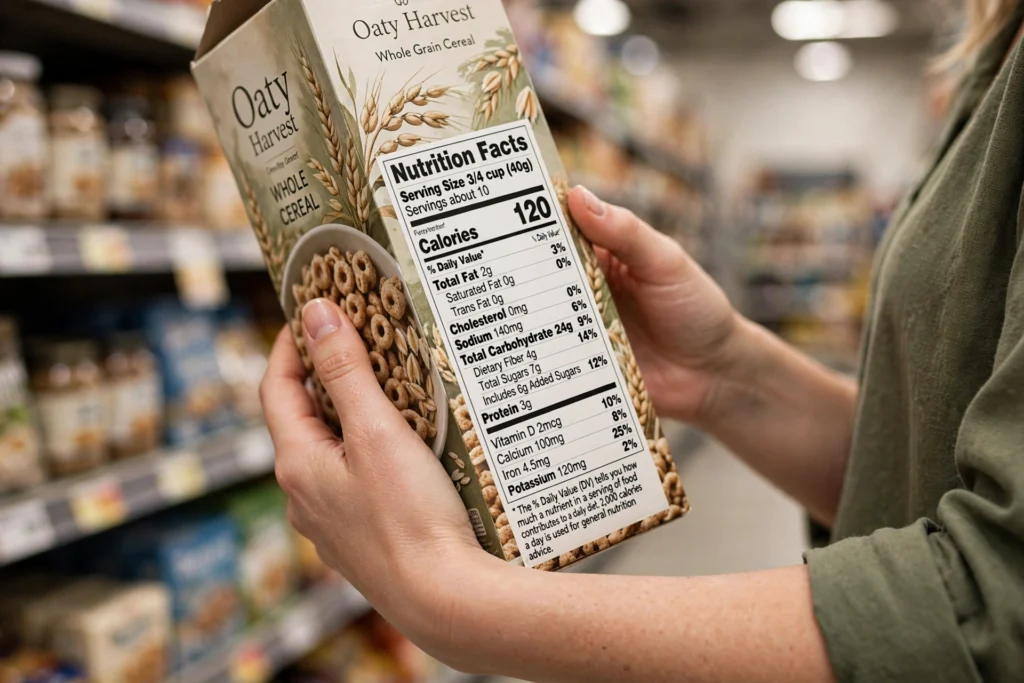
All quantitative measurements on the label reflect a single standardized serving. Consuming multiple servings multiplies total calories, sodium, and fat proportionally.
2. Added Sugars vs. Total Carbohydrates
The updated FDA label explicitly separates added sugars from naturally occurring sugars, allowing shoppers to limit sucrose, high-fructose corn syrup, and refined syrups as advised by the American Heart Association (AHA).
How to Read Nutrition Labels: Decoding the Daily Value %
The Percent Daily Value (%DV) column is your fastest shortcut for judging a nutrient at a glance. As a rule of thumb, 5% DV or less per serving counts as low, while 20% DV or more counts as high. Use this to spot nutrients you want more of, like dietary fiber, vitamin D, calcium, iron, and potassium, and nutrients you want less of, like saturated fat, sodium, and added sugars. Remember that %DV is based on a 2,000-calorie daily diet, so your personal targets may differ if your calorie needs are higher or lower. Comparing %DV across similar products makes it easy to pick the better option without doing any math.
How to Read Nutrition Labels for Sodium, Fiber, and Protein
Beyond calories and sugar, three nutrients deserve special attention. Sodium hides in bread, soup, and sauces; aim for products with less than 20% DV per serving and watch how quickly it adds up across meals. Fiber is chronically under-consumed, so favor foods delivering at least 3 grams per serving to support digestion and steady blood sugar. Protein needs vary, but a product with 10 or more grams per serving can anchor a satisfying meal. Scanning these three lines takes ten seconds and reveals more about a product’s quality than any front-of-package claim.
7 Label-Reading Rules for Smarter Grocery Shopping
- Read the serving size first, then multiply everything by the number of servings you will actually eat.
- Ignore front-of-package claims like natural or low-fat until you verify the Nutrition Facts panel.
- Check added sugars separately from total sugars; keep them as close to zero as possible.
- Scan the ingredient list: shorter lists with recognizable foods usually beat long chemical inventories.
- Watch for sugar aliases like dextrose, maltose, cane juice, and syrup in the first three ingredients.
- Compare sodium per serving across brands; a 200 mg difference per serving adds up fast.
- Look past per-serving tricks by checking servings per container on snacks and drinks.
The ingredient list tells a story the numbers cannot. Ingredients appear in descending order by weight, so if sugar or refined flour sits in the first three, the product is mostly sugar or refined flour regardless of its health halo. Look for whole-food ingredients you recognize and be wary of hydrogenated oils, artificial colors, and preservatives with long chemical names. A good rule: if you cannot picture the ingredient growing or being made in a kitchen, treat it as a warning sign rather than nourishment.
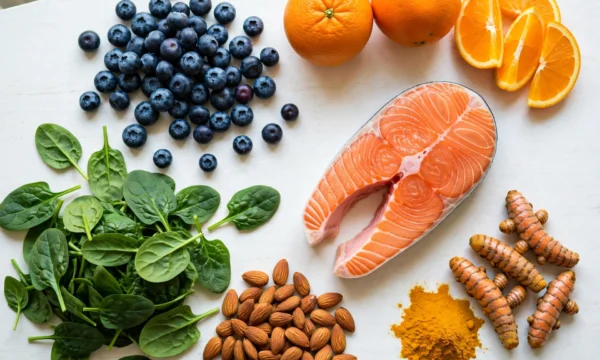
Learning how to read nutrition labels turns grocery shopping from guesswork into strategy. Pair this skill with a solid nutrition foundation from our complete guide to healthy eating, and stock your cart with nutrient-dense superfoods that make the label-checking habit pay off every day. To put your new label-reading skills to work each week, follow our family meal plans for a simple system that turns a smart grocery list into seven days of balanced dinners.
References
- FDA. How to Understand and Use the Nutrition Facts Label. fda.gov
- American Heart Association (AHA). Added Sugars Guidelines. heart.org