
Transparent Labs has built a loyal following in the United States by doing something simple: listing exactly what is in its products, with no proprietary blends and no hidden doses. Its whey protein isolate is one of the brand’s best-known products, and it is often recommended in online fitness communities for people who want a straightforward, high-protein powder. This honest Transparent Labs Whey review explains what it is, how it tastes, what it costs, and who it suits best.
As with all HealthRovia reviews, this article is for general information only. It is not medical advice, and protein powder does not build muscle, burn fat, or treat any condition on its own. Training, sleep, total diet, and consistency matter far more than any single supplement, and this guide is meant to help you compare products with clear eyes.
What Is Transparent Labs Whey Protein Isolate?
Transparent Labs Whey Protein Isolate is a whey-based protein powder made from milk. Whey isolate is filtered more heavily than whey concentrate, so it typically contains more protein per scoop, less lactose, and less fat and carbohydrate. Each serving of Transparent Labs whey isolate generally provides around 28 grams of protein, with about 120 to 130 calories depending on flavor, plus small amounts of fat and carbohydrate. The formula is sweetened with stevia rather than sucralose, and it contains no artificial colors in most flavors.
The brand’s name reflects its approach: the label lists each ingredient and dose, and third-party testing information is a central part of its marketing. That transparency appeals to buyers who are tired of blends that hide how much of each ingredient a product actually contains. It does not, by itself, prove that a product is better for you, but it does make comparison easier.
Nutrition, Ingredients, and Protein Quality
Whey is a complete protein, meaning it contains all nine essential amino acids the body cannot make on its own. It is also rich in leucine, an amino acid involved in muscle protein synthesis after training. The National Institutes of Health Office of Dietary Supplements fact sheet on dietary supplements for exercise and athletic performance explains that protein, amino acids, and other ingredients are common in performance supplements, and that supplements cannot substitute for a healthy diet: NIH Office of Dietary Supplements on exercise and athletic performance. A supplement is therefore best seen as a convenient way to add protein, not as a requirement for progress.
Because this is an isolate, it may be easier to tolerate than concentrate for people with mild lactose sensitivity, although it is still a milk product and is not suitable for people with a milk allergy. If you have kidney disease, liver disease, or another condition that affects protein intake, ask a clinician or dietitian how much protein is appropriate for you before adding a daily powder. The consumer version of the same NIH fact sheet gives a plain-language overview of protein and other performance ingredients, and how to choose a sensible approach: NIH Office of Dietary Supplements consumer fact sheet on exercise and athletic performance.
Taste, Texture, and Mixability
Taste is where opinions split. Fans often praise flavors such as Mocha, French Vanilla, Chocolate Peanut Butter, and Strawberry for tasting clean and not overly sweet, thanks to stevia rather than stronger artificial sweeteners. Others find stevia leaves a mild aftertaste, especially in lighter flavors. As with any powder, taste depends on what you mix it with: water gives a thinner, lighter shake, while milk or a smoothie makes it richer and more filling.
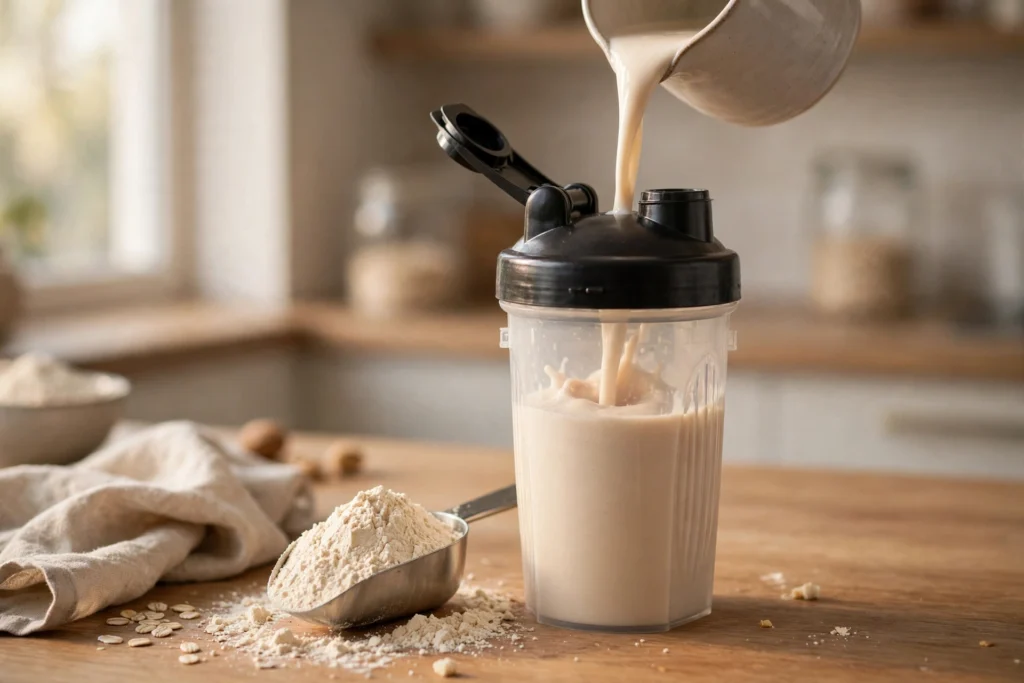
Mixability is generally good. The isolate dissolves well in a shaker bottle with a mixing ball, with little clumping if you add liquid first and shake for 20 to 30 seconds. Letting the shake sit for a minute after mixing can help foam settle. If you prefer a thicker texture, use less liquid, add ice, or blend it with banana, oats, or peanut butter.
Price and Value
Transparent Labs whey isolate costs more per serving than many budget whey concentrates, and that price difference is the main trade-off. A tub usually contains about 30 servings, and the cost per serving falls if you buy during a sale or subscribe, but subscription terms should be checked carefully. Comparing price per gram of protein, rather than price per tub, gives a fairer comparison across brands, because tub sizes and serving counts vary.
Value also depends on how you will use it. If you already eat plenty of protein from food and only want an occasional convenient shake, a cheaper powder may serve you just as well. If you value a fully disclosed label, third-party testing, stevia sweetening, and an isolate formula, the premium may feel justified. If you will not enjoy the flavor, even the best label will not make the tub good value, so starting with one tub in a flavor you like is wiser than stocking up.
Pros and Cons at a Glance
Pros include a fully transparent label with no proprietary blends, around 28 grams of protein per serving, an isolate formula with less lactose than concentrate, stevia sweetening, and generally good mixability. Cons include a higher price than budget powders, a stevia aftertaste that some people dislike, limited availability in local stores compared with larger brands, and the fact that it is still a milk product, so it is not suitable for vegans or people with a milk allergy.
Who It Suits, and Who Should Skip It
This powder may suit adults who train regularly, want a convenient post-workout or breakfast protein source, prefer a disclosed label, and tolerate stevia. It may be less suitable for vegans, people with a milk allergy, people who dislike stevia, and anyone who needs to limit protein for medical reasons. Teenagers and children generally do not need protein powder, and whole foods usually meet their needs.
How to Use It Sensibly
One scoop mixed with water or milk is enough for most uses. There is no need to take multiple scoops at once, and more protein in one shake does not automatically mean more muscle. Spread protein across meals, eat a varied diet with vegetables, whole grains, and healthy fats, drink enough water, and focus on progressive training and sleep. A powder can fill a gap on a busy day, but it cannot replace meals or make up for inconsistent training.
Transparent Labs vs Other Whey Powders
Compared with budget concentrates, Transparent Labs isolate offers more protein per scoop and less lactose, at a higher price. Compared with other premium isolates, the main differences are flavor, sweetener, and label transparency rather than dramatic differences in protein content. Many isolates provide a similar 25 to 30 grams of protein per serving, so taste, tolerance, price per gram of protein, and trust in the brand’s testing matter most when choosing between them.
The Bottom Line
Transparent Labs Whey Protein Isolate is a clean, well-labeled, high-protein powder that earns its reputation mainly through transparency and a straightforward formula. If you want an isolate, like stevia-sweetened flavors, and are willing to pay a premium for a disclosed label, it is a strong option. If price is your main concern, or you dislike stevia, a cheaper concentrate or another isolate may suit you better. Either way, judge it by how it fits your diet, your training, and your budget, not by hype alone.
Frequently Asked Questions
How much protein is in Transparent Labs whey isolate? A typical serving provides around 28 grams of protein, with about 120 to 130 calories depending on flavor. Always check the label for the exact product you buy.
Is Transparent Labs whey isolate lactose-free? No. It is an isolate with less lactose than concentrate, but it is still made from milk, so it is not suitable for a milk allergy.
What sweetener does Transparent Labs use? Its whey isolate is generally sweetened with stevia rather than sucralose, which some people prefer and others find leaves an aftertaste.
When should I take whey protein? Timing matters far less than total daily protein and training. Many people use it after training or at breakfast for convenience, but any time of day can work.
Is Transparent Labs whey good for beginners? Yes, if you want a straightforward isolate and tolerate stevia. Beginners do not need protein powder to start training, and whole foods can meet most needs.
Is Transparent Labs whey vegan? No. Whey comes from milk. Vegans should look for pea, soy, or other plant-based protein powders instead.
Written by the HealthRovia editorial team. For general information only — not medical advice.