If you’ve spent any time on the sleepier corners of the internet lately, you’ve met the tart cherry juice for sleep trend. A ruby-red glass before bed, influencers promise, and you’ll drift off like a stone. Some even call it “nature’s melatonin.”
It sounds too good to be true. And mostly, it is — but not entirely. Tart cherry juice for sleep is one of the few sleep remedies with actual randomized trials behind it. The catch is that the research is small, the effects are modest, and almost nobody selling the idea tells you the full story: what kind to buy, how much matches the studied dose, and who should steer clear.
What’s in Tart Cherry Juice That Could Affect Sleep
Tart cherries — usually the Montmorency variety — contain three compounds that plausibly connect to sleep:
- Melatonin. Yes, tart cherries genuinely contain melatonin. The honest version: it’s a trace amount. Measurements have put it at fractions of a microgram per 100 grams of fruit, while a standard melatonin supplement contains 1 to 5 milligrams — thousands of times more. Calling the juice a “melatonin drink” is technically true and practically misleading.
- Tryptophan. Tart cherries contain tryptophan, the amino acid your body uses to build serotonin and, downstream, melatonin. This matters more than it sounds, as you’ll see in the research below.
- Procyanidins and anthocyanins. These are the pigments that make the juice so deeply red. They’re antioxidants and, in lab work, they appear to influence the enzymes that control how tryptophan gets used in the body.
That last point turns out to be the most interesting part of the whole story.
What the Research Really Shows — Trial by Trial
There are three human trials worth knowing about. All are small. All were published in peer-reviewed journals. Here’s what each actually found — including the parts that get left out of the hype.
The Louisiana State study: 84 extra minutes (but read the fine print)
The most-quoted study comes from Louisiana State University, published in 2018. Researchers gave adults over 50 with insomnia 240 mL (about 8 ounces) of Montmorency tart cherry juice twice a day for two weeks, then compared against placebo in a crossover design. Sleep was measured with polysomnography — the gold-standard lab sleep test, not just questionnaires.
The headline result: participants slept 84 minutes longer on the juice than on placebo, and their sleep efficiency improved.
Now the fine print that almost nobody shares: only 8 people completed the study. That’s a pilot-sized sample, and small samples can exaggerate effects. The researchers also dug into the mechanism and found something more interesting than melatonin: a cherry compound called procyanidin B-2 blocked an enzyme (IDO) that normally diverts tryptophan away from the serotonin/melatonin pathway, while an inflammatory marker (prostaglandin E2) dropped. In other words, the juice may work less by adding melatonin and more by helping your body make better use of its own raw materials — while calming low-grade inflammation that can fragment sleep.
The Rochester study: real but modest benefits
Back in 2010, researchers at the University of Rochester ran a pilot with 15 older adults with chronic insomnia, comparing a tart cherry juice blend against a placebo beverage for two weeks each. This one is the honesty check on the whole trend.
The juice group did show statistically significant improvements — but when measured against placebo, only insomnia severity and minutes awake after sleep onset held up. Total sleep time, sleep latency, and sleep efficiency did not improve significantly versus placebo. The authors described effect sizes as moderate to negligible and were blunt about where this lands: the benefits were “considerably less” than those of sleep medications and cognitive behavioral therapy for insomnia.
This doesn’t mean the juice is useless. It means it’s a gentle nudge, not a hammer — and anyone framing it as an insomnia cure is selling something the data doesn’t support.
The British study: healthy adults, measurable changes
In 2012, researchers at Northumbria University had 20 healthy adults drink tart cherry juice concentrate for 7 days in a randomized, double-blind, placebo-controlled crossover. Urinary melatonin was significantly elevated in the juice group, and time in bed, total sleep time, and sleep efficiency all increased significantly. The circadian timing of melatonin didn’t shift — the juice didn’t reset anyone’s body clock.
The honest summary
Three small trials, all pointing the same direction: tart cherry juice probably helps sleep a bit, most likely through tryptophan availability and anti-inflammatory effects rather than its trace melatonin. Effects are modest — nowhere near CBT-I or prescription sleep aids — and the strongest numbers come from the tiniest samples. It’s a reasonable thing to try, not a miracle to believe in.
The “Nature’s Melatonin” Claim, Examined
This phrase deserves a direct answer, because it’s the centerpiece of the marketing.
A glass of tart cherry juice is not a melatonin supplement in drink form. The melatonin it contains is measured in fractions of a microgram per serving; supplements start around a milligram. You’re getting hundreds to thousands of times less.
That’s not a reason to dismiss the juice — the trials above suggest something real is happening, and the mechanism research points at tryptophan and inflammation rather than the melatonin content. But it is a reason to distrust anyone whose entire pitch is “melatonin in a glass.” If the effect were really about the melatonin dose, the juice would do nothing at all.
How to Do It Right: The Practical Protocol
This is the part competitors skip. If you’re going to try tart cherry juice for sleep, the details matter — because most of what’s sold and shared online doesn’t match what was actually studied.
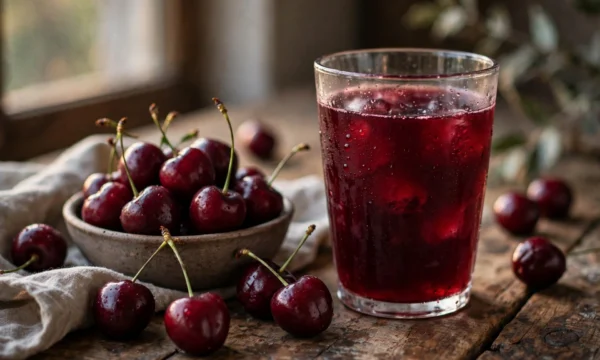
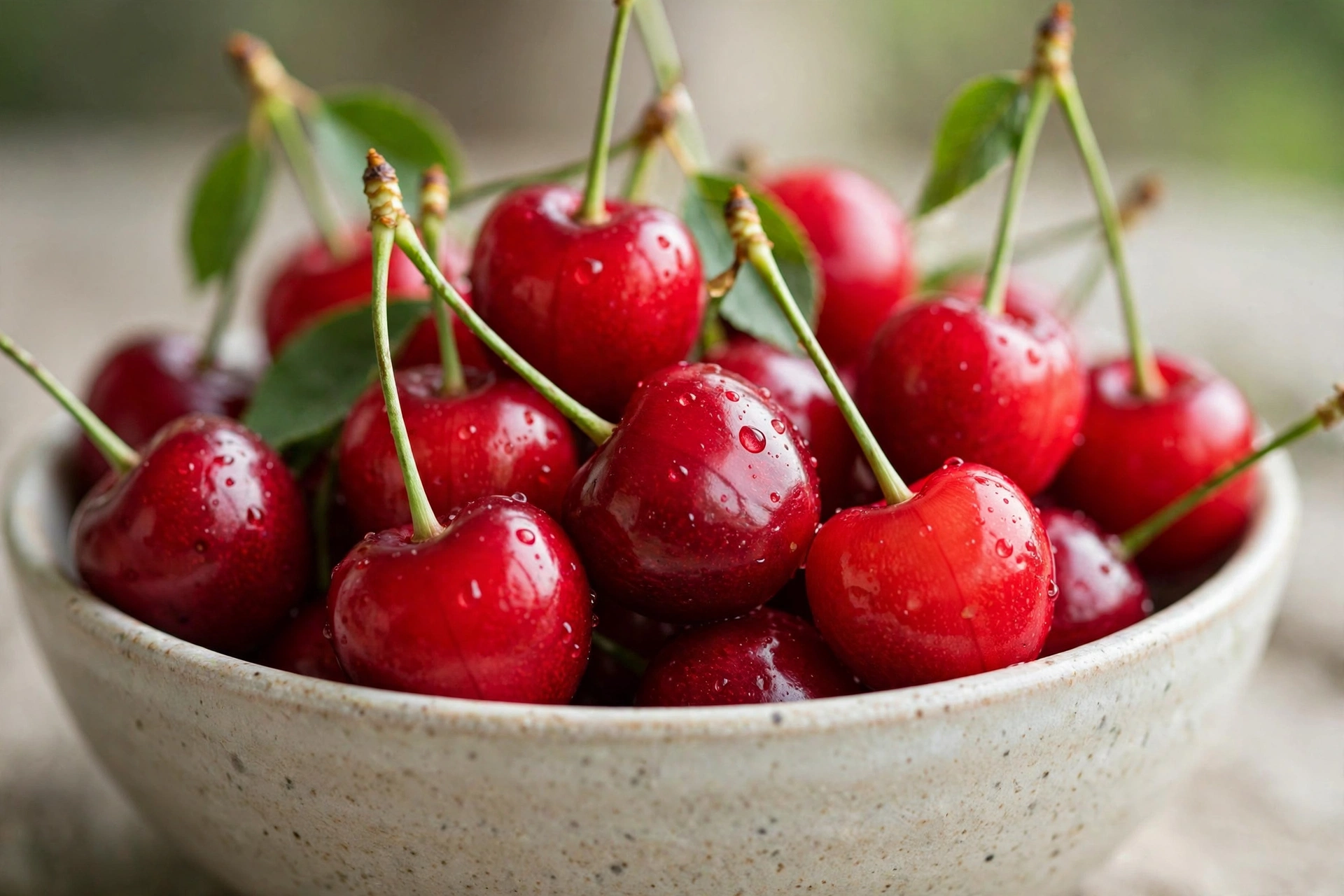
Buy the right thing. Get 100% tart cherry juice — Montmorency is the variety used in the research — with no added sugar. Not sweet or black cherry juice, not a “cherry juice cocktail,” not a cherry-flavored drink. Sweet cherries are a fine fruit; they just aren’t what the sleep research tested. Concentrate diluted per the label also works (that’s what the British trial used); just make sure it’s 100% tart cherry with nothing else in it.
Match the studied dose. The insomnia trial that produced the big headline used 240 mL — about 8 ounces, one cup — twice a day, morning and evening, for two weeks. The British trial used concentrate daily for a week. So a fair test looks like: one cup in the morning, one cup in the evening, for two weeks. This is where the trendy mocktail recipes fail you — a splash of juice in sparkling water is tasty, but it’s a fraction of the studied dose.
Think about timing. The trials split the dose morning and evening rather than doing it all at bedtime, and one review of the evidence notes that timing doesn’t seem to make much difference. If you prefer a single evening serving, have it an hour or so before bed rather than right at lights-out — a full cup of liquid immediately before sleep is a recipe for a 3 a.m. bathroom trip.
Do the sugar math honestly. This is the hidden cost nobody mentions. A cup of tart cherry juice runs roughly 130–150 calories with 30+ grams of natural sugar — two cups a day is the sugar equivalent of a can of soda, just from fruit. Check your bottle’s label and decide if that fits your diet. Tart cherry extract capsules (doses around 480 mg daily have been studied short-term) avoid the sugar entirely, though the capsule evidence base is thinner.
Run a fair two-week test. Give it two weeks — that’s how long the trials ran — and pay attention to how you actually sleep, not how you hope you’re sleeping. A simple sleep diary (bedtime, wake time, how rested you feel) beats vibes. If nothing changes after two weeks, stop. Don’t keep buying sugar water out of loyalty to a trend.
None of this replaces the fundamentals. A consistent sleep schedule, morning daylight, and cutting late caffeine do more for sleep than any juice will — our guide to proven, evidence-based sleep strategies covers what actually moves the needle most.
Who Should Skip It or Check With a Doctor First
Tart cherry juice is a food, not a drug, and for most healthy adults it’s perfectly safe. But “natural” isn’t the same as “fine for everyone”:
- Blood thinners. Tart cherries contain quercetin, a plant compound that research suggests can alter the effectiveness of certain medications, including some blood thinners. If you take warfarin or similar drugs, talk to your doctor before making this a daily habit.
- Diabetes or blood sugar concerns. Two cups a day is a serious sugar load. If you manage diabetes or watch your blood sugar, this probably isn’t your sleep aid — discuss it with your clinician first.
- Sensitive stomachs. Cherries are stone fruits, and they contain sorbitol, a natural sugar alcohol. Most people handle it fine, but it can cause bloating, gas, or diarrhea in sensitive folks. Start with a smaller amount and see how you feel.
- Kids. All the research so far is in adults. There are no studies on tart cherry juice for children’s sleep. Work on bedtime routines first — and check with your pediatrician before trying it with kids as a sleep aid.
- The long-term question. There are no studies on drinking it every night for months or years. Short-term use (a week or two) is what the evidence covers.
And one general note: if your sleep problems are severe or persistent — loud snoring, gasping, or insomnia that doesn’t budge after a few weeks — see a clinician. Sleep apnea and other medical causes of bad sleep need real diagnosis, not beverages.
Setting Expectations: How You’ll Know If It’s Working
Be honest with yourself about what “working” means here. Based on the research, a realistic good outcome is falling asleep a bit easier, waking up a bit less during the night, or feeling slightly more rested — not a transformation. The Rochester researchers put it plainly: the effect is considerably smaller than CBT for insomnia or sleep medication.
Give it the full two weeks at the full dose before judging. One glass, one night, tells you nothing. Track it simply: same bedtime, a quick morning note on how you slept. If week two looks like week zero, you’ve got your answer — and you can put the money toward something with stronger evidence, like a calmer bedtime routine paired with natural wind-down aids that suit your preferences.
Tart cherry juice for sleep isn’t a miracle. But it’s one of the rare sleep trends with real trials, a plausible mechanism, and honest, modest results. In a market full of noise, that counts.
Tart Cherry Juice for Sleep: Frequently Asked Questions
How much tart cherry juice should I drink for sleep?
The dose used in the insomnia research was 240 mL (about 8 ounces, or one cup) twice a day — morning and evening — for two weeks. Trendy mocktail recipes that use a tablespoon or two are nowhere near the studied dose.
Should I drink it in the morning or before bed?
The trials split the dose between morning and evening, and the evidence suggests timing doesn’t matter much. If you prefer one evening serving, drink it about an hour before bed — not right at lights-out, to avoid middle-of-the-night bathroom trips.
Is tart cherry juice better than taking melatonin?
There’s no head-to-head trial comparing them, so nobody can honestly say. What we know: the juice contains only trace melatonin (fractions of a microgram per serving versus 1–5 milligrams in a supplement), and its sleep effect seems to come more from tryptophan availability and anti-inflammatory compounds. They work through different pathways — talk to your doctor about which, if either, suits you.
Is it safe to drink tart cherry juice every night?
Short-term daily use (one to two weeks) is what the studies covered, with no safety concerns reported in that window. There are no studies on nightly use over months or years. People on blood thinners, those managing diabetes, and anyone with a sensitive stomach should check with a doctor first.
Can I give tart cherry juice to my child for sleep?
There’s no research on tart cherry juice for children’s sleep — all trials were in adults. Focus on consistent bedtimes and good sleep habits first, and check with your pediatrician before trying it with kids.
Written by the HealthRovia editorial team. For general information only — not medical advice.