The morning that never slows down
It is 7:40 in the morning. You are already behind, and breakfast is the thing that quietly gets skipped again. You are not lazy, and you are certainly not alone in this. Most of us want to eat better, but the mornings that need a good breakfast most are exactly the mornings that leave no time to make one. That is the gap a meal replacement shake like Ka’Chava tries to fill: something you can shake up in two minutes that resembles a real meal, instead of another coffee and a promise to eat properly later.
The honest question is not whether Ka’Chava sounds good on the bag. It does. The question is whether it works as a meal, whether it tastes good enough to keep drinking, and whether the price and subscription are fair once the first bag runs out. This review answers them from the label, published ingredient information, and real customer reports. It is a label-and-evidence review, not a personal trial.
Quick verdict
Ka’Chava is a well-stocked plant-based meal shake: 25 grams of protein, real fiber, and far more than plain protein powder. It is also expensive, can taste grainy, and its subscription has frustrated enough customers that you should read the cancellation terms first. Worth a one-time bag if the price fits. Not a bargain, and not a fix for a rushed routine.
What you are actually buying
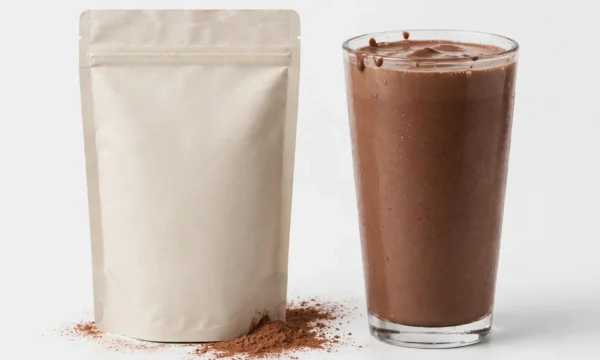
Ka’Chava is a plant-based, all-in-one meal replacement shake. Each serving is two scoops, about 62 grams, mixed with water or milk. One serving gives you 240 calories, 25 grams of protein, 6 grams of fiber, and 6 grams of sugar. That is the backbone of the product, and it matters more than the long list of extras, because a meal shake has one job first: keep you full and steady until your next meal.
The brand says each bag contains more than 85 ingredients, covering greens, adaptogens, probiotics, and digestive enzymes alongside the protein blend. Think of it less as a simple protein powder and more as a greens-plus-protein-plus-gut-support blend in one scoop. That breadth is why people pick Ka’Chava over plain protein powder, and why it costs what it does. If you only want post-workout protein, this is more than you need. If you want one shake to cover several bases, the all-in-one pitch makes sense.
The price math, done honestly
A bag costs $69.95 and holds 15 servings, which works out to $4.66 per serving. On subscription, the price drops to $59.95 a bag, or $3.99 per serving. That saving is real, but only if you finish the bag and stay subscribed on your own terms — more on that below.
Is $4.66 a lot? Compared with a scoop of basic protein powder, yes. Compared with a real meal, it is more reasonable than it first looks. A café breakfast sandwich or a smoothie-bar drink will usually cost more, often with less fiber and protein. The fair comparison is not powder versus powder. It is shake versus the meal you would otherwise skip or buy in a rush. Five shakes a week cost around $23 at full price, or about $20 on subscription. Not cheap, but not outrageous — provided it actually keeps you full.
But slow down on satiety. Twenty-five grams of protein and 6 grams of fiber is solid, yet 240 calories is still light. For a smaller person, or someone adding fruit or nuts, it may be plenty. For a very active person, it may feel light by late morning, as some customers have reported. Milk instead of water, or a banana, helps — but adds calories and cost.
Inside the bag: the blends in plain language
The protein comes from plant sources, which suits people who avoid dairy or whey, though plant protein can taste earthier and mix less smoothly. The greens blend gives the shake its color and much of its micronutrient content. Adaptogens are herbs traditionally used to support the body’s response to everyday stress — interesting, but not a substitute for sleep, rest, or medical care, and no shake should be sold as if it were.
Probiotics and digestive enzymes are included for gut comfort, but expectations need care: in a dry powder, how many live organisms survive storage and digestion is an open question, and results vary person to person. With 85-plus ingredients, many extras are also present in small amounts. Judge Ka’Chava on the overall package — protein, fiber, greens, convenience — not one exotic label ingredient. For background on how much protein adults generally need, the NIH Office of Dietary Supplements protein fact sheet is a useful, plain-language reference.
Taste and mixability: the grainy question
The core flavors are Chocolate, Vanilla, Coconut Acai, Matcha, Chai, and Coffee. In October 2026 the range grew with Salted Caramel and Cinnamon French Toast. Early tasting coverage from Sporked rated Salted Caramel 6 out of 10 and Cinnamon French Toast 7 out of 10 — decent, not glowing, and a reminder that new does not automatically mean better. Chocolate and Vanilla remain the safest first picks, since earthy greens flavors divide people more than chocolate does.
Texture is the other honest talking point: thicker and grainier than a smooth whey shake, as some Trustpilot customers have flagged. A blender bottle or quick blitz beats stirring with a spoon, and ice and milk smooth it further. Expect a thick, plant-based drink with body, not a milkshake.
For a side-by-side sense of how meal shakes differ, our comparison of Ka’Chava vs Huel looks at where each one wins on price, protein, and everyday usability. And if you are weighing a shake against a simpler daily supplement habit, our NeoCell Collagen review shows how different that kind of routine really is.
Subscription and cancellation: read this before you subscribe
This is the section some reviews skip, and the one that matters most after the first bag. The subscription drops the price to $59.95, but Trustpilot feedback — around 3.4 out of 5 from roughly 217 reviews — includes repeated complaints about subscription and cancellation: people finding it harder than expected to pause or stop deliveries, and feeling charged for a bag they no longer wanted.
Not every subscriber has a bad experience, and unhappy customers review more often. Still, the safe move is simple: buy your first bag one-time at $69.95, switch to subscription only once you like the flavor and texture, and set a reminder before each delivery so you can skip or cancel on your schedule.
Who should buy it, and who should skip it
Ka’Chava makes most sense if you regularly skip breakfast, want a plant-based option, like the idea of greens and protein in one shake, and the price fits comfortably in your food budget. It is also reasonable if you travel or work long shifts and need something portable that beats vending-machine food.
Think twice if you are on a tight budget, dislike earthy or grainy textures, need a much larger meal, or want a product for a specific health condition — in that case, talk to a clinician or dietitian, not a shake label. If real food already gives you plenty of greens, protein, and fiber, you may not need this at all. For context: our Vital Proteins review covers a cheaper, simpler protein habit, while our RYZE Mushroom Coffee review is a morning ritual, not a meal. Ka’Chava sits between them.
Safety fine print
Ka’Chava is a food supplement, not a medicine, and must not be used to treat or promise results for any health condition. If you are pregnant, breastfeeding, managing a condition, or taking medication, check with a healthcare professional first. Plant-based blends can still trigger allergies, so read the full label, not just the front. The FDA’s dietary supplements page explains how supplements are regulated and why label claims deserve a careful read. And if a shake ever replaces most of your meals, step back and rebuild a varied diet rather than doubling down on powder.
Frequently asked questions
Is Ka’Chava a meal replacement or just a protein shake?
It is positioned as a meal replacement: 240 calories, 25 grams of protein, and 6 grams of fiber make it closer to a light meal than a plain protein scoop. Whether it suffices depends on your size, activity, and the rest of your day.
How much does Ka’Chava cost per serving?
At full price, $69.95 for 15 servings is $4.66 per serving. On subscription, $59.95 a bag is $3.99 per serving. Buy one bag first before subscribing, so you know you like it.
Does Ka’Chava taste good?
Chocolate and Vanilla are safest. The shake is thick and can taste grainy, especially stirred rather than shaken or blended. The newer Salted Caramel and Cinnamon French Toast flavors earned middling early tasting scores.
Is the Ka’Chava subscription hard to cancel?
Some customers have reported difficulty pausing or cancelling, a recurring theme in Trustpilot feedback. The safest approach is a one-time purchase first, plus a calendar reminder before any subscription delivery date.
Who should not rely on Ka’Chava?
Anyone seeking treatment for a health condition, anyone on a very tight food budget, and anyone needing a large, high-calorie meal should look elsewhere or talk to a dietitian. A shake supports a busy routine; it cannot replace a varied diet.
Written by the HealthRovia editorial team. For general information only — not medical advice.