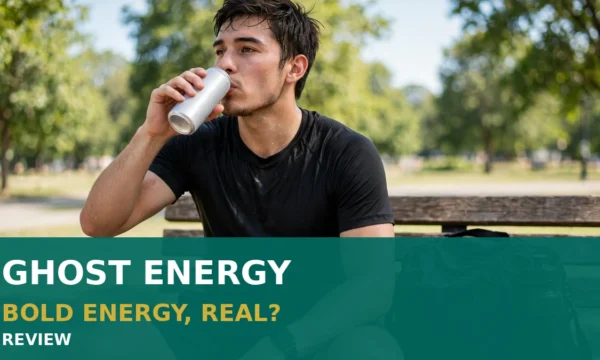
GHOST Energy has become one of the most talked-about energy drinks in the United States, and it is easy to see why. With bright cans, playful flavors inspired by candy and snacks, and a strong presence on TikTok and Instagram, it sits somewhere between a gym drink and a lifestyle product. But behind the hype, what are you actually drinking? This honest GHOST Energy review looks at the ingredients, caffeine, flavors, price, and who it is really for, so you can decide whether it fits your routine.
This review is written for general information only. It is not medical advice, and it does not claim that any energy drink improves health, treats a condition, or replaces sleep, food, or medical care. Think of it as an education-first guide: what is in the can, how it compares with coffee and other energy drinks, and how to use caffeine more thoughtfully if you choose to drink it at all.
What Is GHOST Energy?
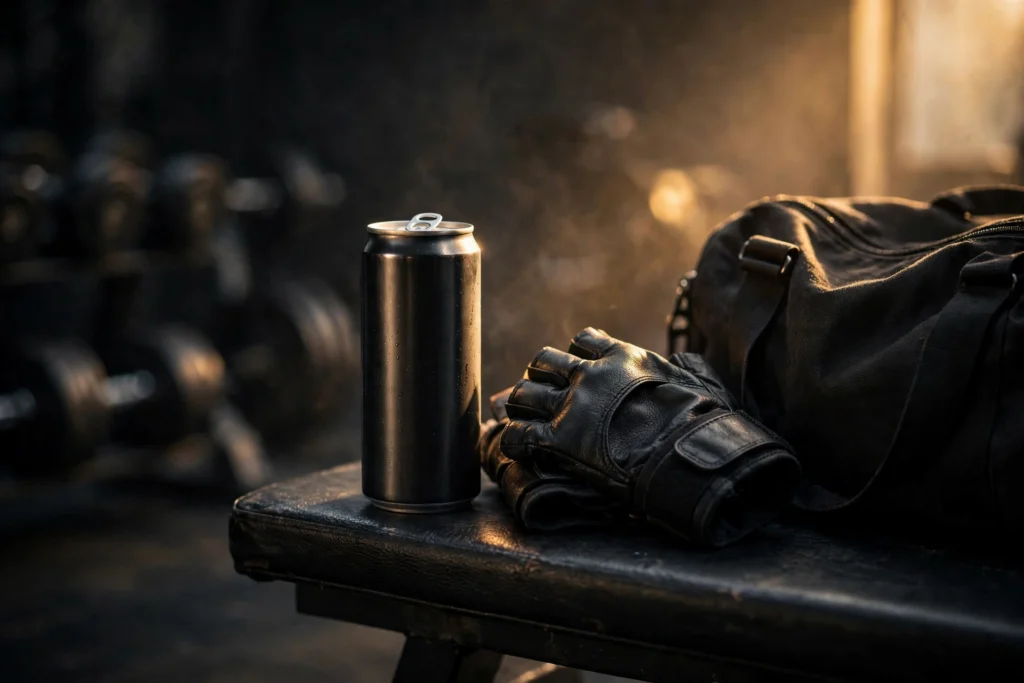
GHOST Energy is a ready-to-drink, carbonated energy drink made by GHOST, a US lifestyle and supplement brand known for protein powders, pre-workouts, and collaborations with well-known snack and candy brands. Each 16-ounce can is marketed as a zero-sugar energy drink with natural caffeine, B vitamins, and amino acids. It is sold in single cans, variety packs, and cases through grocery stores, convenience stores, gyms, and online retailers.
Unlike a traditional soda, GHOST Energy is designed for people who want a sweet, fizzy drink without sugar, and unlike many pre-workout powders, it needs no mixing. That convenience is a big part of its appeal. You can grab it before a workout, during a long study session, or on a road trip, and the flavor is meant to taste more like a treat than a supplement.
GHOST Energy Ingredients and Nutrition
A typical 16-ounce can of GHOST Energy contains about 10 calories, zero sugar, and 200 milligrams of caffeine from natural sources. It also contains B vitamins, including niacin, vitamin B6, and vitamin B12, plus the amino acids L-citrulline and taurine, and the nootropic ingredient alpha-GPC in some formulations. Sweeteners vary by flavor but commonly include sucralose and acesulfame potassium, which keep the drink sweet without adding sugar.
Two hundred milligrams of caffeine is roughly similar to two cups of brewed coffee, although coffee strength varies widely. For many healthy adults, that amount in a single drink is noticeable, especially if you are not used to caffeine. The US Food and Drug Administration has noted that 400 milligrams per day is an amount not generally associated with dangerous effects in healthy adults, but sensitivity varies, and total intake from coffee, tea, soda, and supplements adds up quickly. The National Institutes of Health Office of Dietary Supplements workshop on energy drinks reviews what is known about their ingredients, caffeine, and safety, and is a useful background read: NIH Office of Dietary Supplements energy drinks workshop summary.
The NIH Office of Dietary Supplements fact sheet on dietary supplements for exercise and athletic performance also covers caffeine, protein, and amino acids found in many performance drinks, and explains that supplements cannot substitute for a healthy diet: NIH Office of Dietary Supplements on exercise and athletic performance. In short, the ingredients list tells you what is in the can, not what it will do for you personally.
Taste and Flavors: Where GHOST Stands Out
Flavor is GHOST Energy’s strongest selling point for most buyers. Popular options have included Sour Patch Kids Redberry, Swedish Fish, Warheads Sour Watermelon, Cherry Limeade, Citrus, Tropical Mango, and Bubblicious Strawberry Splash, along with limited-edition collaborations that rotate through the year. Availability changes by retailer and season, so the exact lineup in your area may differ.
In general, GHOST flavors are sweet, bold, and candy-like rather than subtle. Fans tend to love that intensity, while people who prefer a lighter sparkling water or a plain citrus energy drink may find some flavors too sweet or artificial-tasting. Carbonation is strong, which helps the drink feel refreshing when served ice cold. If you are trying it for the first time, starting with a single can in a classic flavor, rather than a full case of a limited edition, is the smarter way to learn what you like.
Price, Value, and Where to Buy
GHOST Energy usually costs more per can than a basic coffee or a store-brand energy drink, and less than a specialty cafe drink. Single cans are convenient for trying a flavor, but the per-can price drops noticeably when you buy a case or a variety pack online or at a warehouse store. Watch for shipping costs, subscription terms, and expiration dates when ordering in bulk, and compare the price per can rather than the headline case price.
Value depends on what you are comparing it with. If GHOST replaces a daily sugary soda or a high-priced coffee drink, the zero-sugar formula and lower calorie count may feel like a reasonable trade. If you mainly want caffeine at the lowest cost, brewed coffee or tea will almost always win on price. Buying a flavor you enjoy matters too: a cheap case of a flavor you dislike is not good value, however low the unit price looks.
Pros and Cons at a Glance
Pros include a wide, creative flavor range, zero sugar, a clear 200-milligram caffeine amount on the label, ready-to-drink convenience, and a brand with a large, active community that shares flavor reviews and new releases. Cons include a relatively high caffeine dose for sensitive drinkers, sweeteners and artificial flavors that some people prefer to avoid, a higher price than coffee, and limited-edition flavors that can be hard to find once they sell out.
Who GHOST Energy Suits, and Who Should Skip It
GHOST Energy may suit adults who already drink caffeinated beverages, enjoy sweet, fizzy flavors, and want a convenient, sugar-free option before a workout or during a busy afternoon. It may be less suitable for children, teenagers, pregnant people, and anyone sensitive to caffeine, as well as people who need to limit caffeine for medical reasons. If you take medication, have a heart condition, anxiety, or sleep problems, talk with a clinician before adding a high-caffeine drink to your routine. That conversation matters more than any review score.
Using Caffeine More Thoughtfully
If you choose to drink GHOST Energy, a few habits help. Drink it earlier in the day, ideally at least six to eight hours before bed, so caffeine is less likely to disturb sleep. Count all your caffeine sources for the day, not just the can in your hand. Avoid stacking an energy drink on top of pre-workout powder, coffee, and caffeine pills. Drink water alongside it, eat regular meals, and notice how you feel: jitteriness, a racing heart, headaches, or restless sleep are signs to cut back, even if friends tolerate more caffeine than you do.
It is also worth remembering that energy drinks do not fix tiredness. Poor sleep, stress, low iron, thyroid problems, and other health issues can all cause fatigue, and caffeine can mask those signals for a while. If tiredness is persistent or new, that is a reason to seek medical advice rather than simply increasing caffeine.
GHOST Energy vs Coffee and Other Energy Drinks
Compared with coffee, GHOST Energy is sweeter, colder, and more predictable in caffeine content, but it costs more and contains sweeteners and added ingredients that plain coffee does not. Compared with other zero-sugar energy drinks, its main difference is flavor creativity and branding rather than a radically different caffeine dose. Many competitors offer a similar 200 milligrams of caffeine per can, so taste, price, availability, and how your body responds to a particular formula matter more than small ingredient differences on the label.
The Bottom Line
GHOST Energy earns its popularity mainly through flavor and convenience, not through any special health benefit. If you enjoy sweet energy drinks, tolerate caffeine well, and drink it occasionally and earlier in the day, it can be an enjoyable option. If you are caffeine-sensitive, trying to improve sleep, or looking for a health drink, water, tea, or coffee may serve you better. Judge it by taste, price, and how you feel after drinking it, and keep the rest of your day’s caffeine in mind.
Frequently Asked Questions
How much caffeine is in GHOST Energy? A typical 16-ounce can contains 200 milligrams of caffeine, roughly similar to two cups of brewed coffee, although coffee strength varies.
Is GHOST Energy sugar-free? Yes, it is marketed as a zero-sugar drink, sweetened with sucralose and acesulfame potassium in most flavors. Always check the label for the exact flavor you buy.
Can I drink GHOST Energy every day? Many adults drink caffeinated drinks daily, but total caffeine from all sources matters. If you drink it daily, keep your overall intake moderate, drink it earlier in the day, and watch your sleep.
Is GHOST Energy good before a workout? Some people enjoy it before training for its caffeine and flavor, but it is not a pre-workout replacement and does not improve fitness on its own. Water, food, sleep, and training matter far more.
Which GHOST Energy flavor is best? Taste is personal, but Sour Patch Kids Redberry, Swedish Fish, and Cherry Limeade are among the most popular starting points. Try single cans before buying a case.
Who should avoid GHOST Energy? Children, teenagers, pregnant people, and anyone sensitive to caffeine or advised to limit caffeine should avoid it or ask a clinician first.
Written by the HealthRovia editorial team. For general information only — not medical advice.